eCommerce Marketing Automation: What is it, How to use it, and 10 Ways to Implement it
Sirazum Monir Osmani
You can use marketing automation for eCommerce by setting up software triggers that send personalized emails, text messages, push notifications, etc. based on specific customer actions. You can set these triggers by integrating an eCommerce platform with marketing automation software and configuring specific behavior-, time-, or condition-based events within the tool's workflow builder.
Marketing automation in ecommerce has been a default revenue driver for more than a decade. When a shopper visits an online store and takes an action, such as searching for a product, browsing categories, adding an item to a wishlist, or placing products in the cart, the store can automatically follow up with them through email, SMS, or any other channel.
This helps eCommerce brands generate more sales without storeowners or marketing teams having to manually design, launch, and manage every campaign from scratch.
What is eCommerce marketing automation and how does it work?
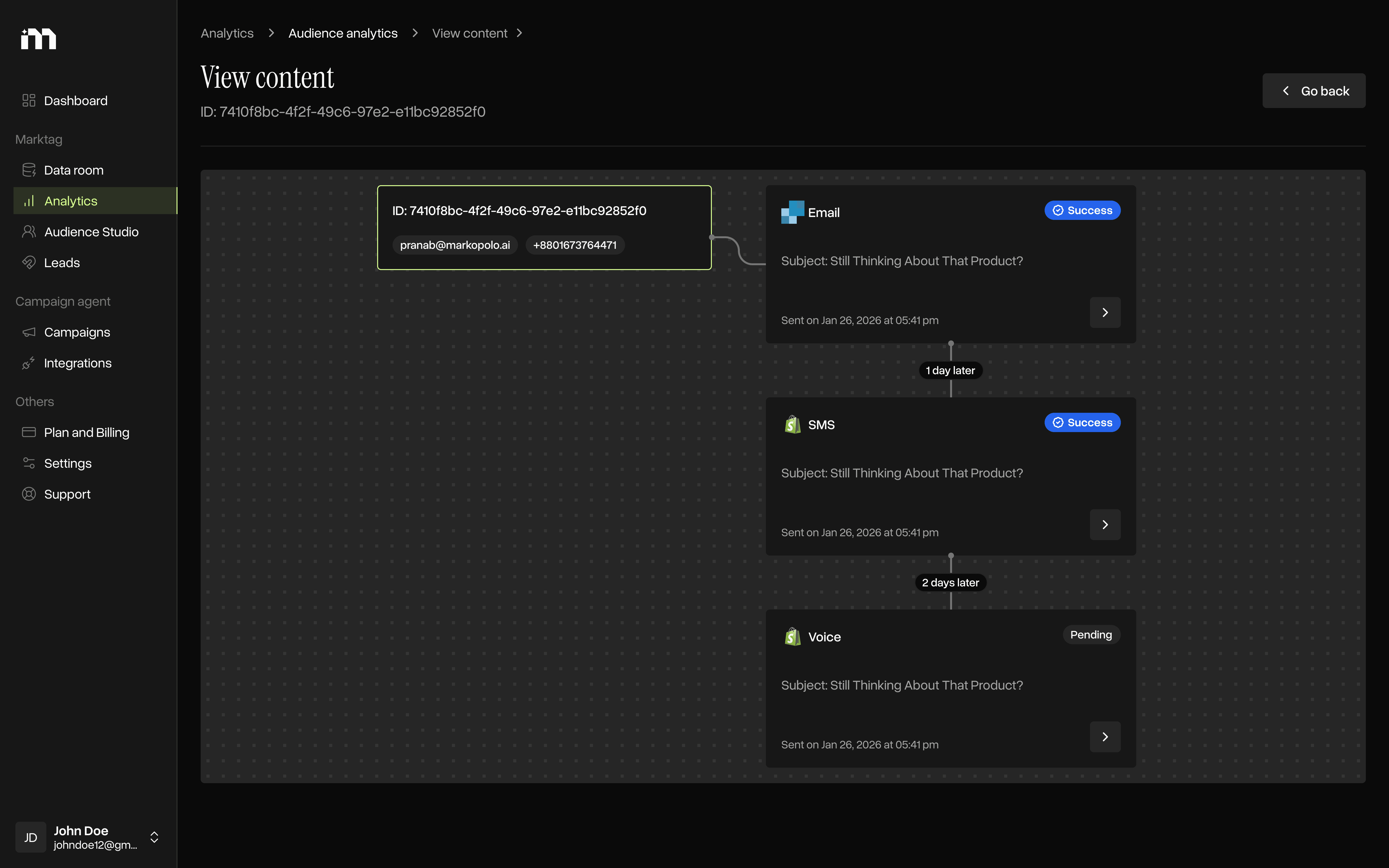
eCommerce marketing automation is the process of using an application or a software to automatically handle repetitive marketing tasks for an online store. This can include sending personalized promotional messages to the right shoppers, at the right moment, through the right channel, such as email, SMS, push notifications, WhatsApp, and more.
At its core, it helps turn shoppers into customers, and one-time buyers into loyal customers.
eCommerce marketing automation works by leveraging different sets of event triggers, such as:
and segmenting audiences based on their behavior, including browsing history, purchase patterns, preferences, and engagement levels.
These sets of data are used by ecommerce marketing automation tools to craft hyper-personalized content for the right recipient.
Start automating your eCommerce marketing today
Markopolo AI lets you autoamte marketing for eCommerce stores
No credit card required

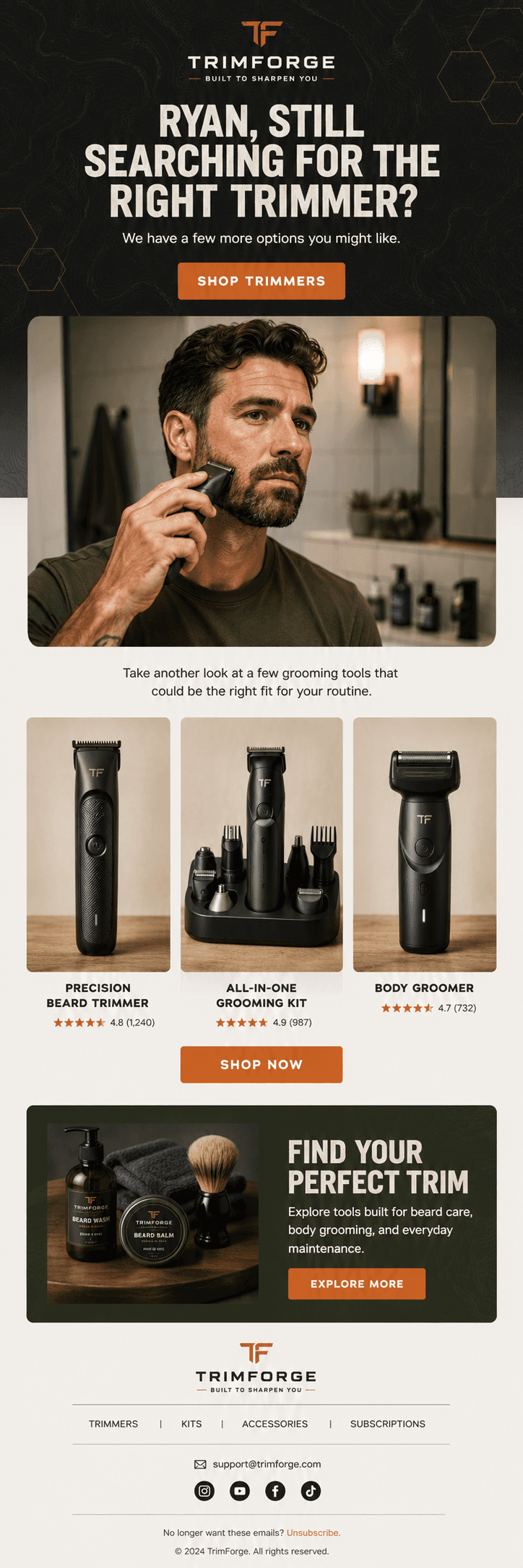
For example, if a shopper named Ryan Gorman logs in to an ecommerce store, views a beard trimmer twice, but leaves without taking any further action, a browse abandonment flow could trigger an email like:
10 strategies to automate eCommerce marketing in 2026
Using zero-party data to reach more customers
Zero-party data is information that customers intentionally and proactively share with a brand, such as preferences, purchase intentions, and personal context. Most automations guess what customers want based on what they clicked. A smarter move is to ask them directly.
A short quiz or "what are you looking for?" preference page gives you clean, first-hand data. Feed those answers into your segmentation and your emails personalize themselves. As third-party cookies disappear, stores that own this data will outperform the ones still relying on tracking.
Utilizing predictive automation
Predictive automation allows marketers to reach out to customers before they churn. Advanced automation tools have built-in predictive analytics that assigns each customer a risk score based on how often they buy, how recently, and how much they spend.
For example, a skincare brand may know that their customers usually reorder face serum every 50 days. If a customer reaches day 65 without buying again, their churn-risk score increases. The moment the score crosses a certain threshold, an automated win-back flow can trigger.
In such a case, a simple: "Hi, {first_name}, we don't want to lose you." sequence can reduce churn significantly.
You may first send the customer a reminder about the product they usually buy, followed by a WhatsApp message, and later a small incentive if they still do not return.
Here, the brand proactively steps in while the buying habit is still recoverable instead of waiting until the customer is completely lost.
Segmenting customers with RFM
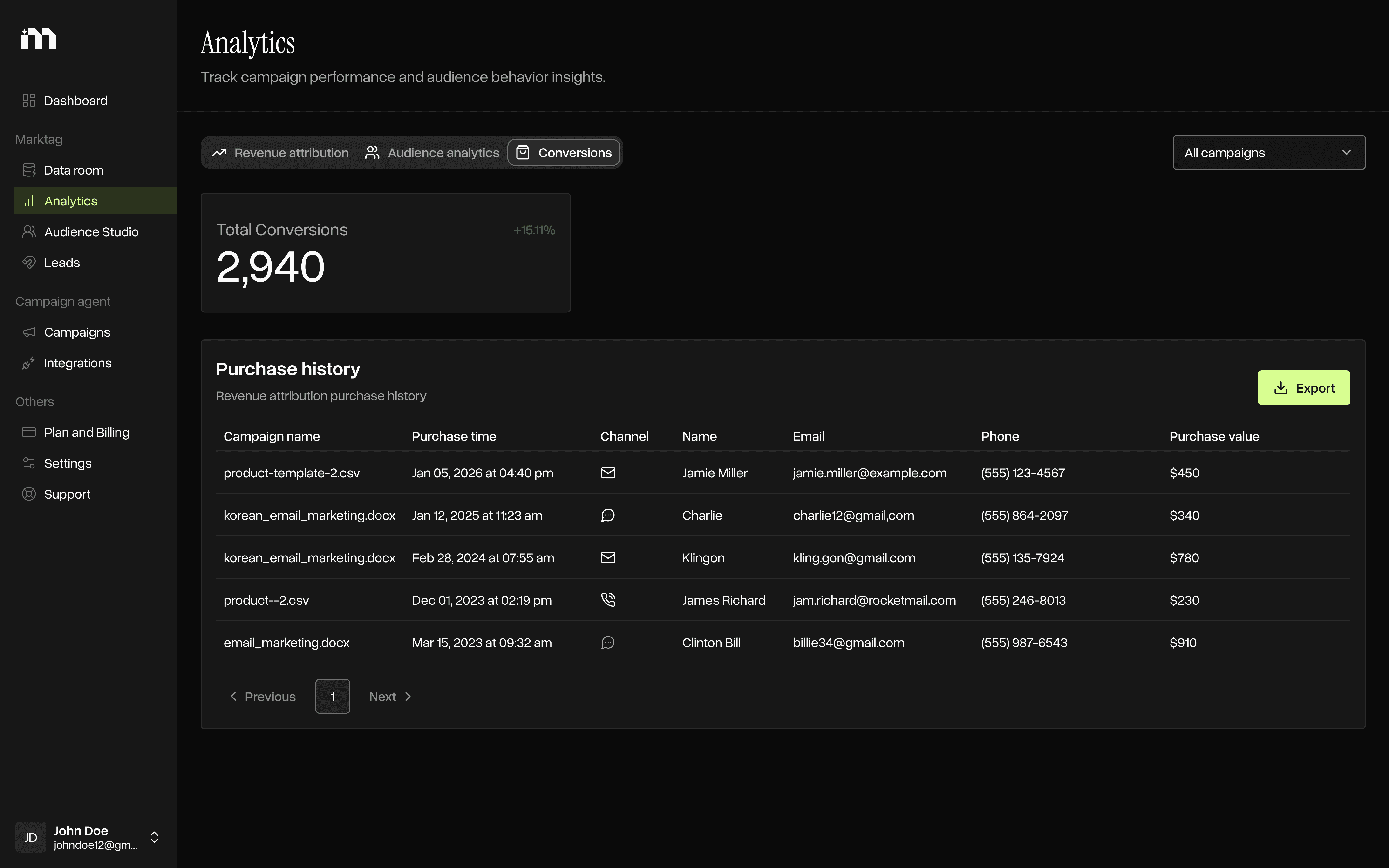
RFM (Recency, Frequency, Monetary) is a customer segmentation technique used in ecommerce marketing to identify and rank customers based on their purchase history.
To implement this, pull your customer list and sort everyone by three things:
how recently they bought,
how often they buy,
and, how much they spend.
That gives you three or four clear groups. Your top buyers get early access and premium treatment. Your one-time buyers get a different nudge entirely. When someone's behavior changes, they move between groups automatically and their messages adjust with them.
Automating replenishment and reorder campaigns
If a customer bought a product that runs out, they'll need to buy it again. The question is whether they do it from your store or someone else's.
Replenishment and reorder campaigns remind customers to restock products before they run out, based on their unique purchase timing and consumption habits.
For example, a gym supplement store selling 2lb protein powders can set up reorder reminders around the 60th day after purchase, which is typically when the product is close to running out.
The trigger should ideally fire two or three days before that expected depletion window. The email or SMS can remind the customer to restock, recommend the same product they purchased before, and include a subscribe-and-save option.
Over time, a portion of those buyers becomes recurring customers, and that creates more predictable revenue for the store.
Integrating inventory and SKU-analytics with the automation app
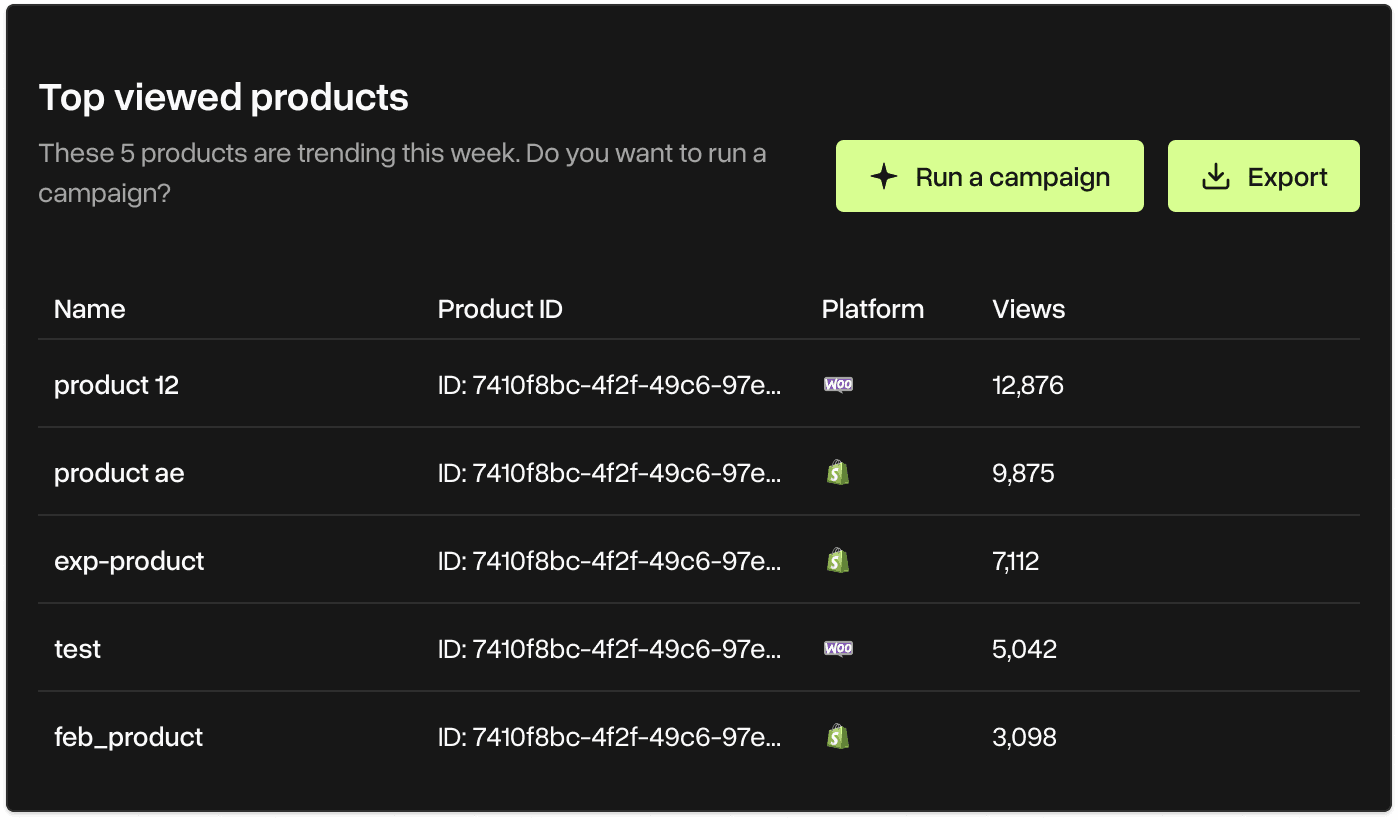
Stop promoting products that are sold out or barely profitable. Ecommerce marketing flows often recommend a product that is sold out.
In order to solve this, you can connect your automation app to your inventory feed and that stops. Out-of-stock products get suppressed from every flow.
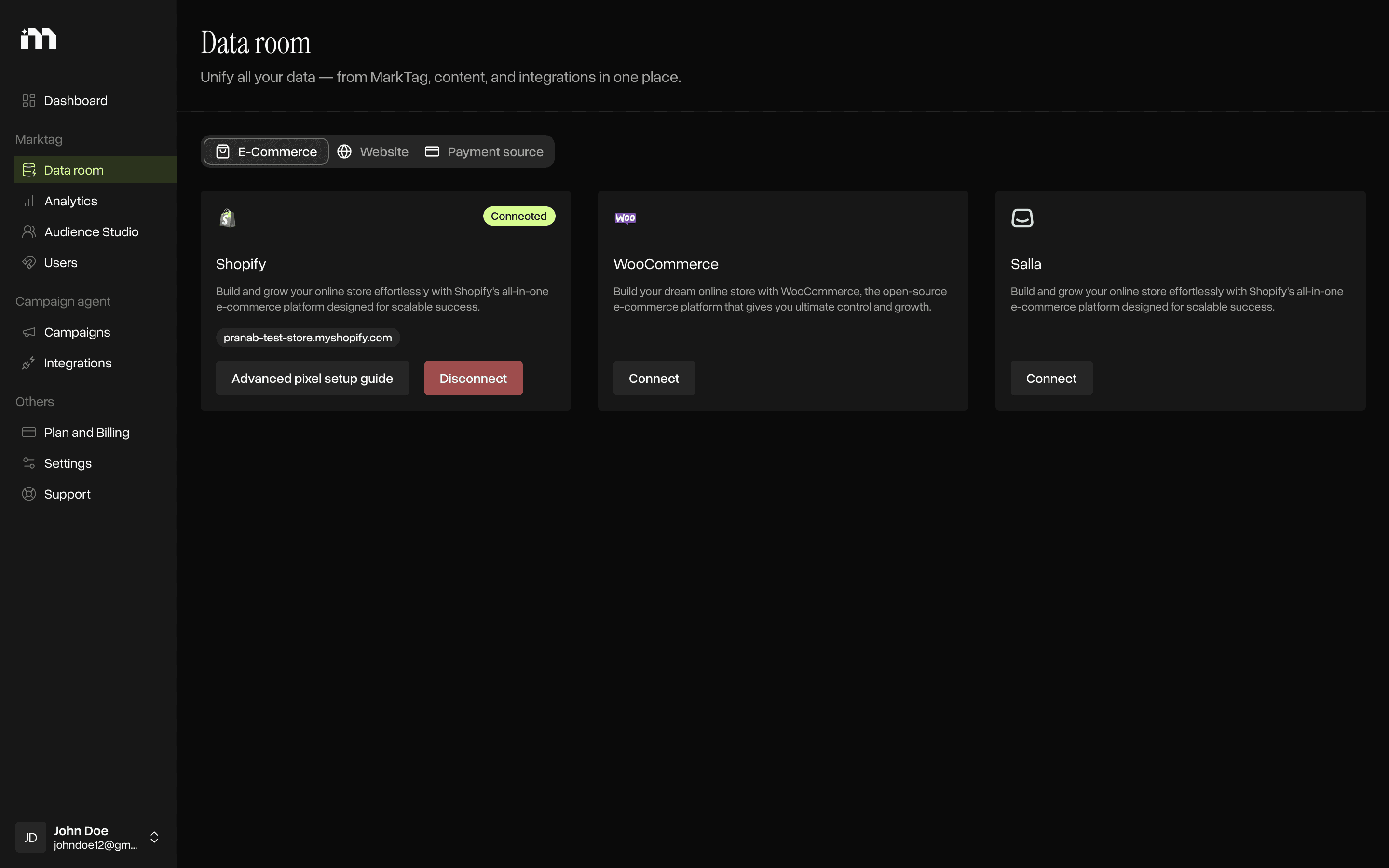
Thankfully, Markopolo AI comes with first-party cookieless server side tracking that captures every information of an ecommerce store natively. This way, product recommendation emails or SMS never mention an item that is no longer in stock.
And, for discounting, pull your margin data. Offer 20% off where you can afford it. Skip the discount on thin-margin products. Back-in-stock and price-drop alerts go out on their own when the conditions are met
Creating lookalikes of your highest-value customers, and cutting down ad spend on loyal customers
Your automation flows and your ad accounts don't talk to each other by default. That means you're paying to reach people you already own.
Fix that by sending your loyal customer and long-time subscriber lists to Meta and Google as suppression audiences so you stop paying to reach people you already own.
Do the same with anyone inside an active campaign. With suppression running, take your highest-value customers and build lookalike audiences from them to find more people worth targeting.
Automating customer reviews into marketing content
Trigger a review request the moment a package is marked delivered. Most platforms let you set this up in an afternoon.
When a five-star review or photo comes in, route it automatically to your product page and ad creative library. When a one or two-star review comes in, route it to a customer service flow instead of letting it sit unanswered. One setup, three outcomes.
Recovering failed payments
A failed payment doesn't mean someone wants to leave. It usually means their card expired or declined. Store owners can easily solve it by setting up an automated sequence: retry the charge, then send an email with a direct link to update their card.
Add a reminder seven days before renewals and card expiry dates. If someone tries to cancel, present a pause option first. Most brands recover 20 to 40% of failed charges this way.
Cleaning email list automatically to avoid spamming
Sending to people who never open your emails hurts your sender score, which pushes your future emails into spam for everyone. Every 90 to 180 days, pull anyone who hasn't opened or clicked in that window.
Send them two emails asking if they still want to hear from you. If you don’t get any response, simply suppress them. This way, marketers see their open rates go up, and deliverability improve. Not to mention this saves money as their billing drops.
Optimizing outreach volume and frequency
Ecommerce marketers mistakenly hurt their brand value when they put the same customer in a welcome flow, a browse abandonment flow, and a lifecycle campaign at once. Such a phenomenon makes their marketing irrelevant, spammy, and intrusive.
But setting a global cap can easily solve this problem. By sending no more than two or three messages per customer per week, across all channels, marketers can see better results from their automation flows.
Automate consent and honor opt-down preferences automatically. Then hold 10% of your audience out of a flow, compare their purchases to the other 90%, and you'll know what that flow is actually worth.
Getting your eCommerce brand to actually act on its own data
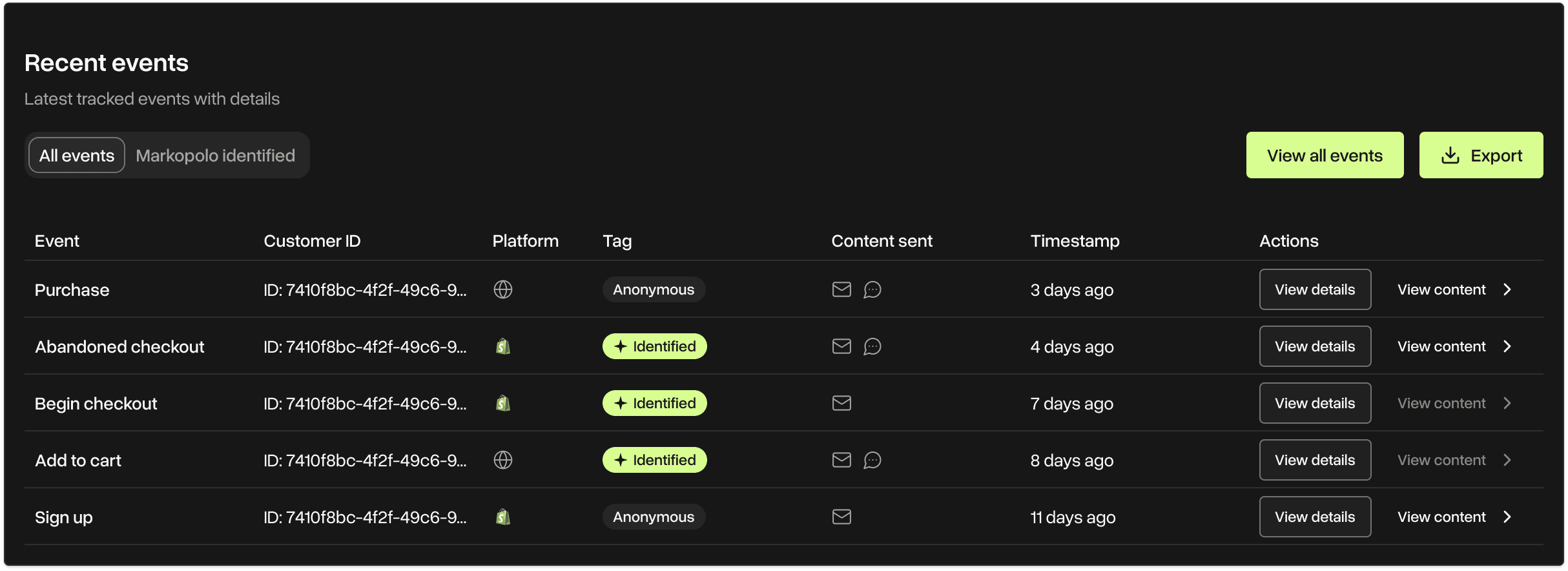
Ecommerce stores already have the data they need to run every strategy on this list. Purchase history, browsing behavior, order timing, it's all sitting there.
But, even in 2026, a lot of the brands do not know how to utilize this.
Getting all of that data to actually trigger the right message, to the right customer, at the right time, without someone manually building every single flow, is the solution.
Markopolo AI is built for that. The platform tracks customer behavior across your store natively, segments automatically, and fires 1:1 hyper-personalized campaigns across email, SMS, WhatsApp, push notifications, and AI voice calls without third-party cookies or hours of manual setup.