
10 best cart abandonment solutions for ecommerce in 2026
Sirazum Monir Osmani
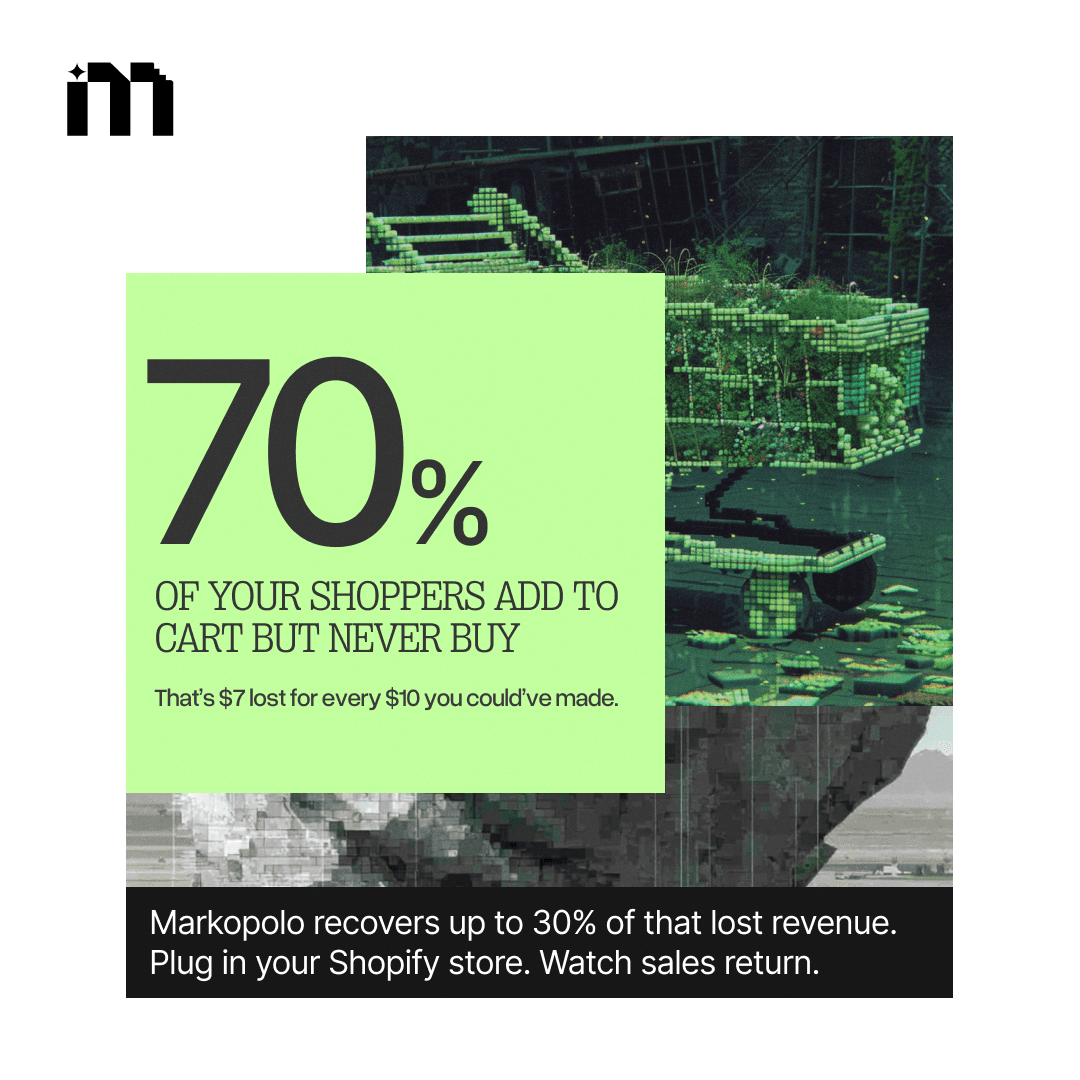
Seven out of ten online shoppers leave without buying. That's not a typo. For every ten people who add something to their cart, seven walk away. The good news? A chunk of that revenue is recoverable with the right tools. This guide breaks down the best cart abandonment platforms available today, what makes each one tick, and how to pick the right one for your store.
How abandoned cart recovery software increases sales
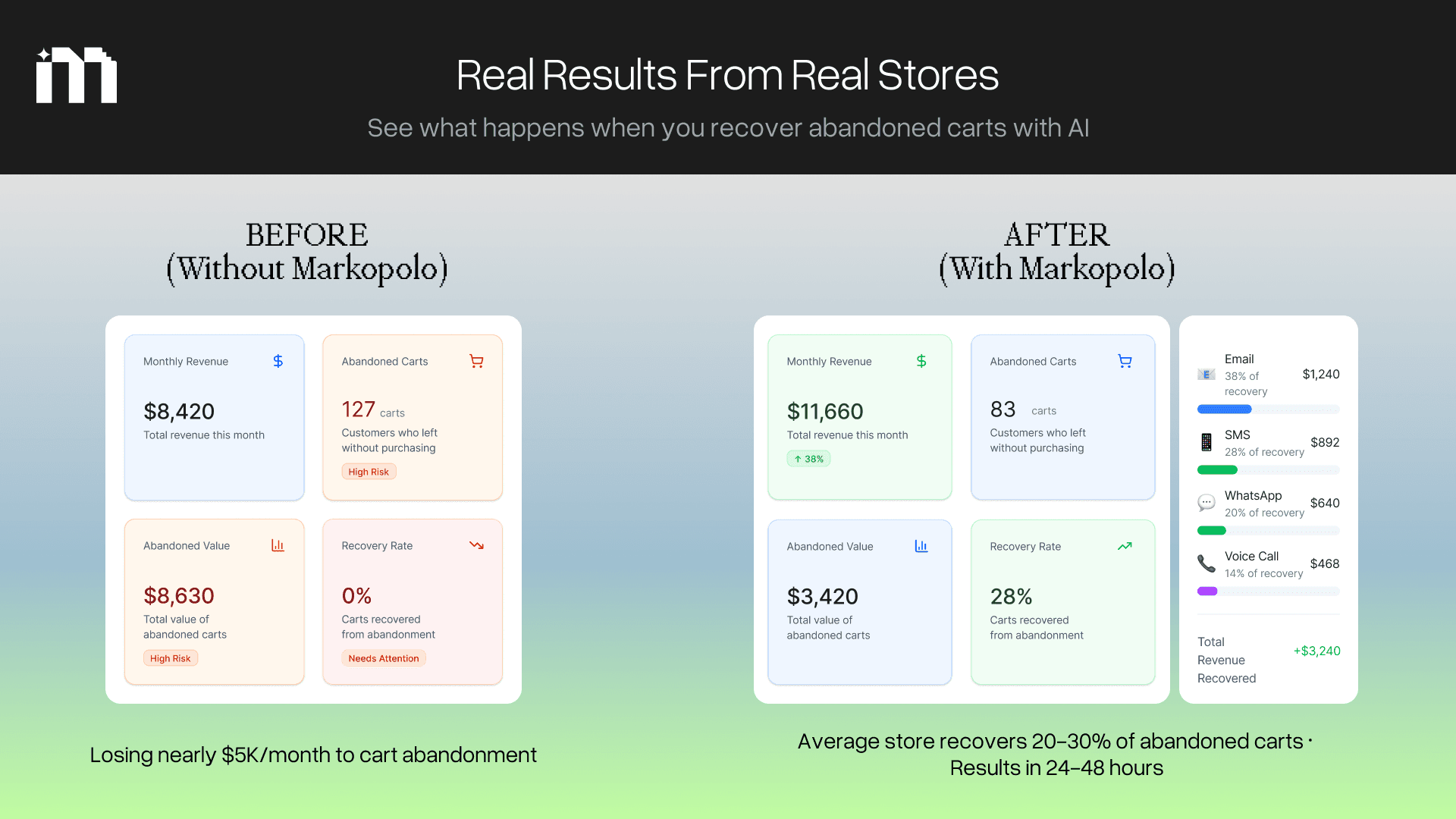
Cart recovery software does one thing well: it brings back shoppers who left. But how it does this has changed dramatically. The days of "You forgot something!" emails are fading. Modern platforms use behavioral data, multiple communication channels, and increasingly sophisticated AI to reconnect with customers in ways that actually work.
Behavioral tracking separates buyers from browsers
Not every abandoned cart represents a lost sale. Some people were just window shopping. Others fully intended to buy but got interrupted. Recovery software tracks how visitors move through your site—what they click, how long they linger, where they hesitate. This data reveals who's worth pursuing and who was never going to convert anyway. A shopper who spent twenty minutes comparing product specs behaves very differently from someone who bounced after ten seconds.
Personalized messages cut through inbox noise
Generic reminder emails get ignored. People receive dozens of marketing messages daily, and anything that feels templated goes straight to trash. Effective recovery platforms tailor their outreach based on what each shopper actually did. Someone who abandoned at checkout because of shipping costs needs a different message than someone who left while still comparing options. The specificity makes the difference.
Multi-channel outreach finds customers where they respond
Email open rates have been declining for years. Meanwhile, SMS gets read within minutes. WhatsApp dominates in certain markets. Push notifications catch people in the moment. The best recovery tools don't bet everything on one channel—they coordinate across several, reaching each customer through whatever medium they're most likely to engage with.
Smart timing catches people at the right moment
Send a reminder too fast and you seem desperate. Wait too long and the purchase intent evaporates. There's a sweet spot, and it's different for everyone. Some shoppers respond best to an immediate nudge. Others need a day to think it over before they're ready to hear from you again. Advanced platforms figure out these individual patterns rather than applying blanket timing rules.
Learning systems get better without manual tweaking
Set-and-forget automation has limits. The most effective platforms treat every interaction as a learning opportunity. When a particular approach works, they do more of it. When something falls flat, they adjust. Over months, this compounds into meaningfully better performance—without requiring your team to constantly tinker with settings.
Tools for abandoned cart recovery
The market has plenty of options. Here's a rundown of platforms worth knowing about:
Markopolo AI
Omnisend
Klaviyo
Drip
Braze
Attentive
Postscript
Yotpo
Mailchimp
ActiveCampaign
Iterable
Customer.io
Bloomreach
Salesforce Marketing Cloud
HubSpot
Emarsys
Dotdigital
Rejoiner
CartStack
Recart
Top 10 abandoned cart recovery platforms in 2026: Key features, comparison, pros, and cons
Platform | AI personalization | Multi-channel | Voice capability | Behavioral vectorization | Real-time orchestration | Starting price | |
|---|---|---|---|---|---|---|---|
Markopolo AI | Individual-level AI agents | Email, SMS, WhatsApp, Push, Voice calls (omnichannel) | Yes | 384-dimensional vectors | Yes (<50ms) |
| |
Omnisend | Template-based | Email, SMS, Push | No | No | No | $45/mo | |
Klaviyo | Segment-based | Email, SMS | No | No | No | ||
Drip | Rule-based | Email, SMS | No | No | No | $39/mo | |
Braze | Segment-based | Email, SMS, Push, In-app | No | No | Limited | Custom pricing | |
Attentive | Template-based | SMS, Email | No | No | No | Custom pricing | |
Postscript | Rule-based | SMS | No | No | No | $100/mo | |
Yotpo | Template-based | SMS, Email | No | No | No | Custom pricing | |
Mailchimp | Basic | Email, SMS | No | No | No | Free tier available | |
ActiveCampaign | Automation-based | Email, SMS | No | No | No | $29/mo |
Markopolo AI
Markopolo AI recovers abandoned carts by delivering truly 1:1, hyper-personalized outreach across email, SMS, push notifications, WhatsApp, and AI-powered voice calls, tailored to each shopper’s behavior in real time. It’s the leading cart recovery solution for merchants on Shopify, WooCommerce, BigCommerce, WordPress, and custom ecommerce stacks that want higher conversions without more manual work.
Most cart recovery tools work like this: they put customers into buckets, then send everyone in each bucket the same sequence of messages. But Markopolo AI threw out that playbook entirely. Instead of segments, it assigns each visitor their own AI agent. That agent tracks everything—mouse movements, hesitation patterns, how many times someone toggles between products, what time of day they typically browse. All of this gets compressed into a mathematical profile (384 dimensions, if you want to get technical) that captures who this person actually is.
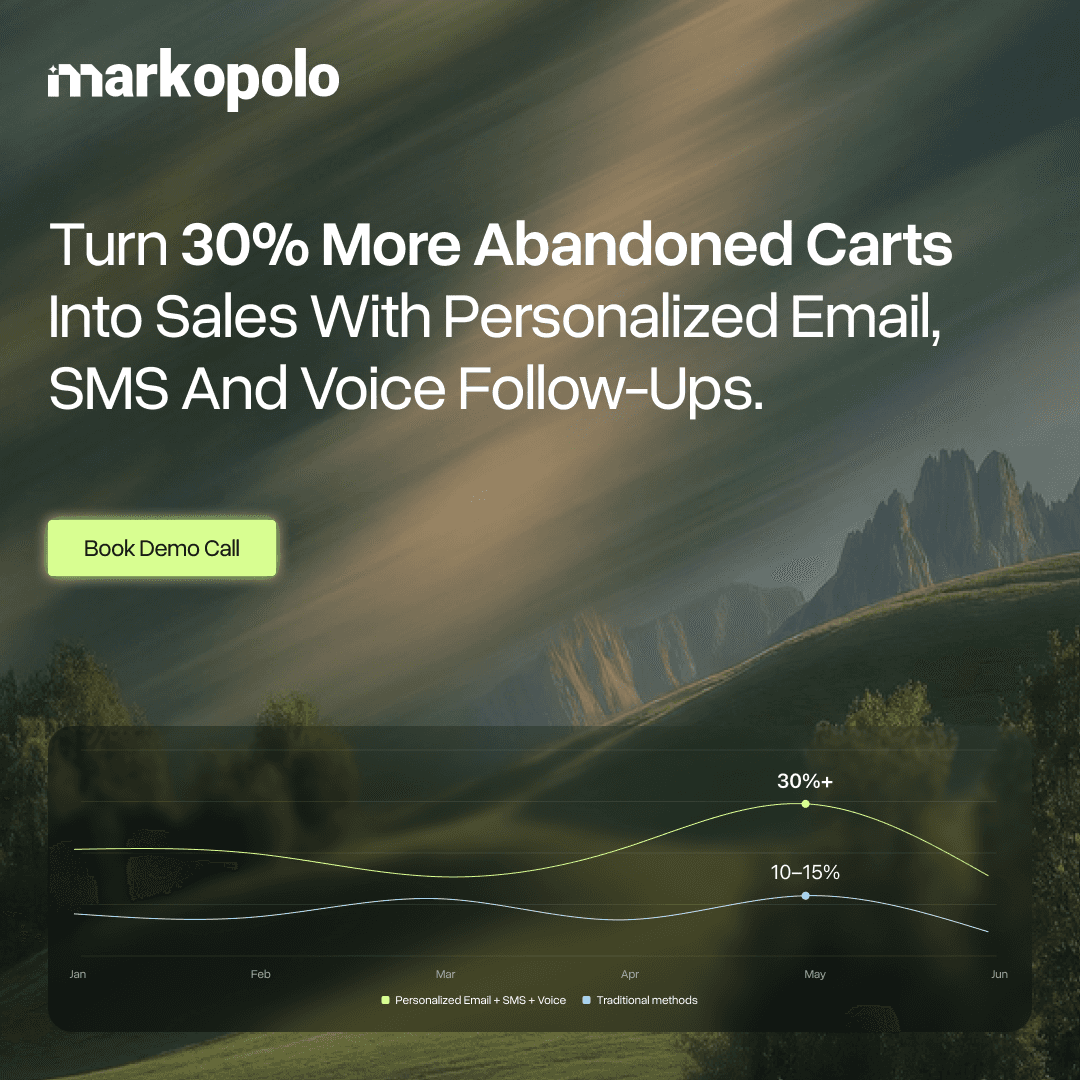
The practical result? When someone abandons a cart, the system doesn't just know they abandoned. It knows whether they're comparison shopping, whether they respond better to urgency or reassurance, whether they prefer texts over emails, and what time they're most likely to engage. Recovery rates jump from the typical 10-15% range to 30-40% because the outreach actually matches what each person needs to hear.
Why Markopolo AI is the best abandoned cart recovery solution
Your store gets a million sales reps who never sleep

Think about what a great salesperson does. They read the customer, adjust their approach on the fly, know when to push and when to back off. Markopolo essentially gives you that—except it scales to every single visitor. Each person gets their own AI agent watching their behavior and crafting a recovery approach just for them. No human team could do this for thousands of daily visitors.
The platform actually understands what customers are doing

Traditional analytics tell you what happened. Someone viewed a product, added it to the cart, and left. Markopolo's behavioral vectors capture why. Is this person price-hunting? Are they stuck in research mode? Did they get distracted or genuinely lose interest? The 384-dimensional profile picks up on patterns that raw event logs miss completely. That understanding shapes every message the system sends.
Decisions happen in milliseconds, not hours
When someone's behavior changes, the recovery strategy adapts immediately through real-time customer engagement. If a shopper comes back and starts browsing different products, the AI incorporates that information right away. No waiting for nightly batch processes or manual workflow updates. Strategies generate in under 50 milliseconds, which means outreach stays relevant even as customer behavior shifts
Messages go out on whatever channel actually works

Some people live in their email. Others haven't opened a promotional email in years but read every text message. Markopolo figures out which channel each customer prefers and coordinates outreach accordingly. Email, SMS, WhatsApp, push notifications, even AI voice calls—the system picks the right medium and orchestrates timing across all of them so nothing feels disjointed.
AI phone calls add a personal touch at scale
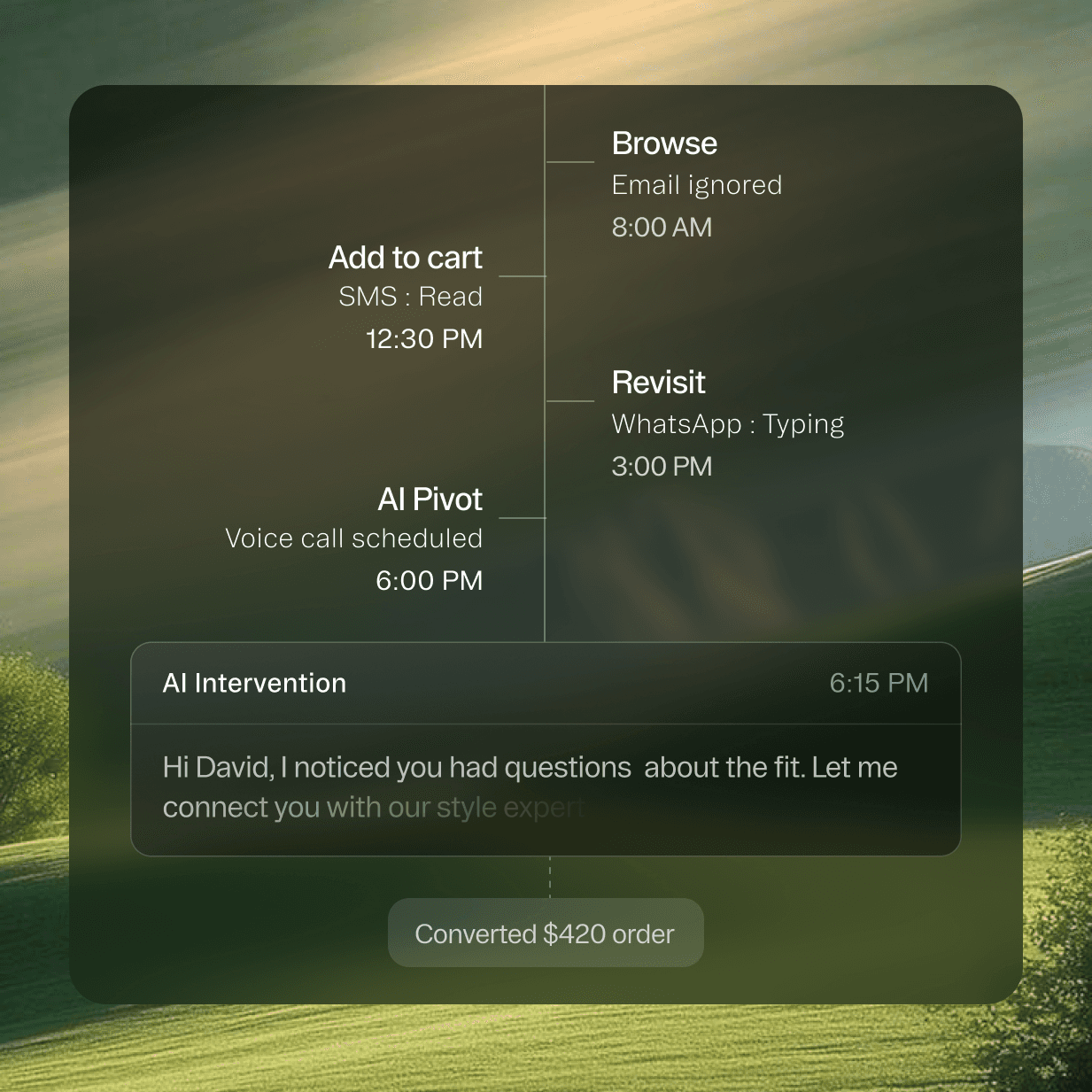
Sometimes a text message isn't enough. For high-value carts or customers who need that extra nudge, Markopolo can trigger an AI voice call. These aren't robotic scripts—the voice agent has full context on what the customer browsed, where they hesitated, and what might address their concerns. It's the equivalent of a personal callback, except it can happen for every qualifying cart.
Attribution finally shows what actually drove the sale

Most attribution models are educated guesses. Did the email work, or were they coming back anyway? Markopolo builds a complete picture of every touchpoint for every customer, identifying which interactions actually influenced the purchase versus which ones just happened to precede it. This causal understanding helps optimize future outreach rather than just reporting on the past.
The system catches abandonment before it happens
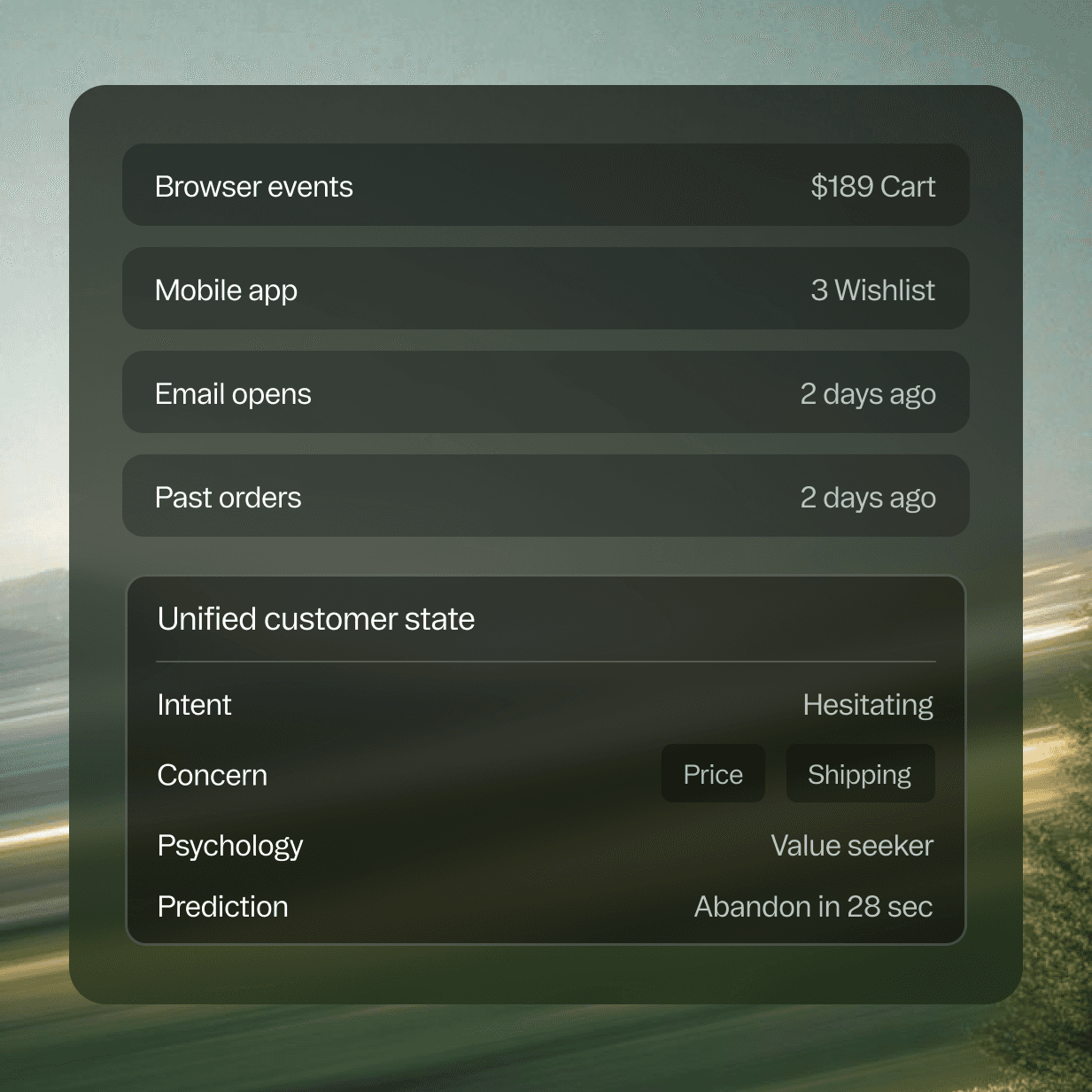
Patterns emerge over time. Certain behaviors reliably precede abandonment—specific hesitation sequences, navigation patterns, time-on-page signals. As Markopolo processes more interactions, it starts recognizing these warning signs and can intervene proactively. Instead of only recovering carts after they're abandoned, it prevents some abandonments from happening at all.
Results improve automatically the longer you use it
Day one, the AI works from general patterns learned across millions of interactions. By month three, it's picked up on what's specific to your store and your customers. By month six, it understands your buyers better than you do. This isn't marketing fluff—it's how machine learning works. Every successful recovery teaches the system something, and those lessons compound over time.
Cross-merchant learning gives you a head start
New stores don't start from zero. Markopolo has processed billions of behavioral events across its merchant network, learning general patterns about how different types of shoppers behave. Your store benefits from all that accumulated intelligence from day one, while still building its own customer-specific knowledge over time.
You pay based on results, not potential
The pricing model ties Markopolo's success to yours. A small base fee plus a percentage of recovered revenue means the platform only makes more money when you recover more sales. No paying for contacts you'll never use or messages that don't convert. Incentives stay aligned as you scale.
Pros
Each customer gets individualized recovery strategy, not segment-level treatment
Behavioral profiling captures intent signals other tools miss
Strategy generation fast enough to adapt in real-time
Voice calling capability unavailable in most competing platforms
Coordinates seamlessly across email, SMS, WhatsApp, push, and voice
Attribution model identifies actual conversion drivers
Performance compounds over time through continuous learning
Revenue-share pricing keeps incentives aligned
Recovery rates consistently reach 30-40% versus industry-standard 10-15%
Predictive features can intervene before abandonment occurs
Cons
Advanced features may take some time for traditional marketers to get used to
Omnisend
Omnisend targets small and mid-sized ecommerce stores with an all-in-one approach to marketing automation. The platform bundles email, SMS, and push notifications together with a visual automation builder that doesn't require technical skills. Pre-built workflows make it quick to get started, even without marketing automation experience.
Features of Omnisend
A drag-and-drop email builder with ecommerce templates forms the core of the platform. Pre-built automations cover cart abandonment, welcome sequences, and win-back campaigns. Email, SMS, and web push all live in one dashboard. Product recommendations draw from browsing history, and basic segmentation lets you target different customer groups.
Pros
Easy to learn and use
Affordable for smaller stores
Quick to implement with pre-built workflows
Unified view across email, SMS, and push
Strong Shopify integration
Cons
Personalization stays surface-level
Automations follow templates rather than adapting
No voice channel or advanced AI
Segmentation less robust than enterprise tools
Same recovery flow for everyone in a segment
Omnisend vs Markopolo AI for abandoned cart recovery
Omnisend works fine for stores just starting with recovery automation. The pre-built flows get you up and running fast. But those flows treat all abandoners essentially the same way, limiting how much revenue you can actually recover. Markopolo's per-customer AI profiling and multi-channel orchestration operate at a different level entirely. Where Omnisend sends its standard three-email sequence, Markopolo crafts unique journeys—different channels, different timing, different messages—for each individual. The gap in recovery rates reflects that difference.
Klaviyo
Klaviyo built its name on email marketing for ecommerce. The platform integrates tightly with Shopify, BigCommerce, and other major platforms, pulling in purchase history and browsing data to fuel segmentation. You can slice your audience dozens of ways and build automation flows that trigger based on customer actions. It's become something of a default choice for growing DTC brands.
Features of Klaviyo
The platform offers pre-built flows for standard scenarios—cart abandonment, browse abandonment, post-purchase follow-ups. Segmentation options run deep, letting you combine behavioral data with purchase history and customer attributes. Klaviyo includes predictive analytics for lifetime value and churn risk, plus A/B testing for optimizing content and send times.
Pros
Integrates smoothly with major ecommerce platforms
Powerful segmentation engine
Large template library
Solid analytics and reporting
Strong community and educational resources
Cons
Segments group dissimilar customers together
Email and SMS only—no voice or WhatsApp
Workflows are static until you manually change them
Recovery rates typically max out around 10-15%
Costs climb quickly at higher contact volumes
Klaviyo vs Markopolo AI for abandoned cart recovery
Klaviyo's segmentation is sophisticated, but it still treats everyone in a segment the same way. A segment of "high-value cart abandoners" might include impulsive buyers, methodical researchers, and price-sensitive bargain hunters—all receiving identical messages. Markopolo handles each of these people differently because its AI profiles them as individuals, not segment members. The channel limitations matter too. Klaviyo sticks to email and SMS while Markopolo orchestrates across five channels including voice. For stores hitting the ceiling on Klaviyo's recovery rates, Markopolo offers a path to significantly better performance.
Drip
Drip positions itself at the intersection of marketing automation and customer relationship management for ecommerce. The visual workflow builder lets merchants create sophisticated automation sequences with conditional branching. On-site behavior tracking feeds into automations, and revenue attribution shows which campaigns actually drive sales.
Features of Drip
Visual workflows support complex conditional logic and multiple paths. Site tracking captures page views, product interactions, and purchase events. Revenue reporting ties directly to campaigns and automations. Integrations cover major ecommerce platforms. Dynamic content blocks pull in personalized product recommendations.
Pros
Capable visual workflow builder
Clear revenue attribution
Built specifically for ecommerce
Good integration options
Fair pricing for mid-sized stores
Cons
Automation relies on rules you have to write
Email-centric with limited channel options
No voice capabilities
Workflows don't self-optimize
Requires ongoing manual attention
Drip vs Markopolo AI for abandoned cart recovery
Building Drip workflows means anticipating every scenario and creating branches for each one. The more customer types you want to handle differently, the more complex your workflows become. Markopolo sidesteps this entirely—its AI generates appropriate strategies per customer without you having to define every possible path. You're not maintaining branching logic; the AI handles personalization automatically. That means less operational overhead and, typically, better results because the AI catches nuances your pre-built rules would miss.
Braze
Braze serves enterprise brands across multiple industries with a full-featured customer engagement platform. Cross-channel messaging, real-time data processing, and sophisticated campaign orchestration make it powerful but complex. The platform suits large organizations with dedicated marketing operations teams and significant budgets.
Features of Braze
Cross-channel capabilities span email, SMS, push, and in-app messages. Canvas, the journey builder, creates multi-step campaigns with conditional logic. Real-time data streaming enables responsive messaging. Audience segmentation draws on behavioral and attribute data. Integrations connect with data warehouses and CDPs.
Pros
Enterprise-grade scale and reliability
Broad channel coverage
Real-time data processing
Extensive API and integration ecosystem
Handles complex multi-brand setups
Cons
Pricing excludes most ecommerce businesses
Implementation requires serious resources
Needs dedicated team to manage
Still segments rather than individualizes
No voice channel
Braze vs Markopolo AI for abandoned cart recovery
Braze offers enterprise power, but it still groups customers into segments. More sophisticated segments, sure, but segments nonetheless. Markopolo operates at the individual level—millions of unique strategies rather than managing segment combinations. For ecommerce specifically, Markopolo's MarkTag captures behavioral signals more suited to purchase intent than Braze's general-purpose event tracking. And Braze lacks voice entirely while Markopolo includes AI calling. Unless you need Braze's multi-brand enterprise features, Markopolo delivers better cart recovery results.
Attentive
Attentive carved out a niche in SMS marketing for ecommerce and retail. The platform emphasizes list growth and compliance, helping merchants build SMS subscriber bases while navigating messaging regulations. A strong focus on the SMS channel has made Attentive a go-to for brands prioritizing text message marketing.
Features of Attentive
Two-tap mobile signup streamlines list growth. Segmentation uses shopping behavior and subscriber data. AI optimizes send times. Automated journeys cover cart abandonment and browse abandonment. Email capabilities now complement the core SMS offering.
Pros
Deep SMS expertise
Excellent list growth tools
Strong compliance features
Clean interface
Good Shopify integration
Cons
SMS-first approach limits flexibility
Email features less mature
Template personalization, not individual AI
No voice channel
SMS volume pricing adds up
Attentive vs Markopolo AI for abandoned cart recovery
Attentive knows SMS well, but that specialization becomes a limitation. Not everyone responds to text messages. Markopolo's multi-channel orchestration reaches customers through email, WhatsApp, push, or voice calls—whatever works for each individual. Attentive's personalization operates at the template level, customizing messages within a framework. Markopolo's AI builds strategies from scratch for each person. When SMS alone isn't working, Attentive has limited options. Markopolo adapts.
Postscript
Postscript built its platform exclusively for Shopify merchants who want SMS marketing. Deep integration with Shopify means seamless data sync and purpose-built ecommerce features. The platform handles compliance well and includes tools for growing subscriber lists alongside messaging automation.
Features of Postscript
Native Shopify integration keeps data in sync automatically. Keyword campaigns and popups drive list growth. Automated flows handle cart abandonment, welcome series, and shipping updates. Two-way SMS enables conversational commerce.
Pros
Seamless Shopify integration
Solid compliance handling
Focused SMS feature set
Reasonable pricing
Good customer support
Cons
SMS only—no other channels
Shopify only—no platform flexibility
Rule-based automation
No voice or AI personalization
Single-channel recovery limits results
Postscript vs Markopolo AI for abandoned cart recovery
Postscript works well for Shopify stores that want simple SMS automation and nothing else. But "nothing else" is the limitation. Markopolo's individual AI profiling and five-channel orchestration open possibilities Postscript can't match. Some customers won't respond to SMS no matter how many texts you send. Markopolo reaches them through other channels. The AI personalization also means Markopolo's messages fit each customer specifically, while Postscript applies the same flows to everyone. For serious cart recovery, the difference shows in the numbers.
Yotpo
Yotpo bundles several retention marketing products—SMS, reviews, loyalty programs, subscriptions—into one suite. The pitch is unified data across all these functions, letting reviews inform marketing messages and loyalty status shape offers. SMS and email capabilities sit alongside these other products.
Features of Yotpo
SMS and email marketing come with automation workflows. Review collection integrates with campaigns—you can include customer reviews in recovery messages. Loyalty program management handles points and rewards. AI powers product recommendations. Segmentation draws on purchase history and engagement data.
Pros
Multiple retention tools in one suite
Reviews can strengthen recovery messages
Connected data across products
Enterprise customer base
Strong Shopify Plus integration
Cons
Breadth over depth in any single area
Marketing features less advanced than dedicated platforms
Template-based personalization
No voice option
Pricing gets complicated across products
Yotpo vs Markopolo AI for abandoned cart recovery
Yotpo spreads across reviews, loyalty, and marketing. That breadth means less specialization in cart recovery. Yotpo's abandoned cart flows use segments and templates. Markopolo's AI agents understand each customer individually—whether they need social proof (where Yotpo's reviews might help) or respond better to urgency or value messaging. For businesses prioritizing recovery rates over suite consolidation, Markopolo's focused approach wins.
Mailchimp
Mailchimp evolved from email newsletters into a broader small business marketing platform. It now includes email automation, basic SMS, landing pages, and even website building. A free tier and brand recognition make it many merchants' first marketing platform.
Features of Mailchimp
Drag-and-drop email editing with extensive templates. Basic automation for common scenarios including cart abandonment. Audience management and segmentation. Landing pages and simple websites. SMS capabilities added more recently.
Pros
Free tier for small lists
Very easy to use
Widely known with lots of resources
Broad integration ecosystem
Good starting point
Cons
Automation stays basic
Limited personalization
Not built specifically for ecommerce recovery
SMS features still new
Gets expensive as lists grow
Mailchimp vs Markopolo AI for abandoned cart recovery
Mailchimp makes sense for businesses just getting started with email marketing. Its cart recovery features exist, but they're basic. Everyone gets the same abandoned cart sequence. Markopolo operates in a different category—AI that understands individual customers and crafts unique recovery strategies for each one. Mailchimp is training wheels. Markopolo is what you graduate to when recovery rates actually matter to your bottom line.
ActiveCampaign
ActiveCampaign combines email marketing, automation, and CRM functionality. The visual workflow builder handles complex conditional sequences. The platform serves both B2B and B2C businesses, though its roots lie in small business marketing automation rather than ecommerce specifically.
Features of ActiveCampaign
Visual automation builder with extensive branching options. Built-in CRM for tracking customer relationships. Site tracking triggers automations based on visitor behavior. Email and SMS marketing. Predictive sending and content personalization.
Pros
Strong automation for the price
Marketing and CRM together
Works for B2B and B2C
Lots of integrations
Good deliverability
Cons
Not specifically designed for ecommerce cart recovery
Rule-based rather than AI-driven
Limited channel options
Complexity grows at scale
Ecommerce features are add-ons
ActiveCampaign vs Markopolo AI for abandoned cart recovery
ActiveCampaign provides capable general-purpose automation, but it wasn't built for ecommerce cart recovery. Its rule-based system requires you to build and maintain workflows manually. Markopolo's AI generates optimal strategies automatically for each customer. For direct-to-consumer ecommerce, behavioral vectorization and multi-channel orchestration matter more than CRM features. If cart recovery is the goal, Markopolo's specialized focus delivers better outcomes.
How to choose the right abandoned cart recovery platform

Picking the right platform means matching capabilities to your needs. Here's what to weigh as you evaluate options.
Define what recovery rate you're targeting
Basic platforms get you to 10-15% recovery—the standard for segment-based approaches. If that's good enough, simpler tools will do. But if you want 30-40% recovery, you need individual-level AI. Markopolo AI consistently hits those higher numbers because it treats each customer as a unique case rather than a segment member.
Map out which channels your customers use
Some platforms only do email. Others add SMS. A few handle WhatsApp or push notifications. Markopolo AI covers all of these plus voice calling. Think about where your customers actually engage. If they're ignoring emails but reading texts, an email-only platform won't cut it. If some customers need a phone call to convert, you need a platform that can make one.
Balance setup effort against ongoing results
Simple tools implement fast but plateau quickly. Complex enterprise platforms require serious resources to run. Markopolo AI threads the needle—sophisticated AI that operates autonomously without requiring constant workflow maintenance. The system optimizes itself, freeing your team for higher-level work.
Compare pricing models and actual ROI
Contact-based pricing punishes growth. Message-based pricing makes every send a cost decision. Markopolo AI charges a base fee plus a percentage of recovered revenue, so you only pay more when you're earning more. Model out total costs at your expected scale, not just the starting price.
Consider where you'll be in a year
The platform that works today should still work as you grow. Static automation doesn't improve on its own. Markopolo AI's machine learning means performance compounds over time—results at month six beat results at month one, without extra effort. That trajectory matters more than any single feature comparison.
Why ecommerce businesses choose Markopolo AI for abandoned cart recovery
The segment-based approach that dominated marketing automation for two decades has hit a ceiling. Individual-level AI is what breaks through it, and that's exactly what Markopolo AI delivers.
Real personalization replaces segment shortcuts
Segments are convenient fictions. A group of "cart abandoners over $100" includes people with completely different motivations and objections. Traditional tools treat them identically anyway. Markopolo's 384-dimensional behavioral profiles capture what actually makes each customer tick—their research patterns, price sensitivity, channel preferences, timing tendencies. That understanding shapes every message, which is why response rates jump.
Autonomous operation frees up your team
Segment-based campaigns need constant care. Build workflows, analyze performance, adjust timing, test variations, repeat forever. Markopolo's AI handles all of this automatically. It figures out what works for each customer type and adapts without manual intervention. Your team can focus on creativity and strategy instead of campaign maintenance.
Coordinated multi-channel outreach catches everyone
Customers spread across channels, and their preferences differ. Email works for some. SMS gets through to others. Some people actually pick up the phone. Markopolo orchestrates across all of these, routing each customer through whatever channel they're most likely to respond to. That coordination happens automatically based on individual behavioral data, not manual rules.
Compounding returns reward long-term use
Static automation delivers static results. Whatever recovery rate you get on day one is roughly what you'll get on day three hundred. Markopolo AI improves continuously. The system learns your specific customers, identifies patterns unique to your business, and gets meaningfully better over months. Six months in, you're not just using a tool—you've built a competitive moat that other stores can't easily replicate.