Best SMS Marketing Automation Tools for eCommerce in 2026: Comparison and How to Choose the Right One
Sirazum Monir Osmani
Tool | Price | Best for | Best-fit ecommerce teams or founders |
|---|---|---|---|
Markopolo AI | Free plan available; paid plans start at $49/month. | 1:1 hyper-personalization and lifecycle marketing | Ecommerce, DTC, and online retail brands that want behavior-triggered autonomous SMS across the full customer lifecycle. |
Klaviyo | Free plan available; paid pricing scales by profiles, SMS credits, and usage. | Advanced ecommerce segmentation | Ecommerce teams that rely on customer data, repeat purchase flows, and email + SMS orchestration |
Omnisend | Free plan available; paid plans start at $16/month. | Ease of use | Small to mid-sized ecommerce teams that want to launch SMS automations quickly without heavy setup |
Attentive | Custom pricing based on list size and message volume. No free plan publicly listed. | Two-way SMS marketing | DTC and retail brands that want conversational SMS, subscriber growth, and cross-channel messaging |
Postscript | Free to install; $49 monthly minimum spend. | Compliance controls | Ecommerce stores that are on Shopify and want compliant opt-ins, abandoned cart SMS, and revenue-focused SMS flows |
Recart | Free plan available; paid plans start at $299/month. | SMS subscriber growth | Ecommerce brands focused on growing owned contacts through popups, opt-ins, and triggered reminders |
Emotive | Starts at $100/month plus SMS/MMS usage fees. No free plan. | Conversational selling | Ecommerce teams that want SMS to support product questions, guided selling, and purchase assistance |
Manychat | Free plan available; paid plans start at $14/month. | Chat-based SMS flows | Social-first ecommerce founders that convert comments, DMs, giveaways, and product questions into sales conversations |
SlickText | Free plan available; paid plans start at $29/month. | Keyword-based SMS campaigns | Ecommerce teams that want keyword campaigns for product launches, influencer promos, events, QR codes, or offline-to-online list growth |
SimpleTexting | Paid plans start at $29/month for toll-free texting or $39/month for local number texting. No free plan. | Mass texting and promotional broadcasts | Ecommerce teams that need a simple SMS campaign builder for flash sales, launches, offers, and back-in-stock alerts |
Use our SMS marketing autonation tool for your eCommerce brand today
Markopolo AI automates SMS marketing easily with no hassle
No credit card required.

To choose the best SMS marketing automation tool, eCommerce brands should first identify their main objective.
These tools automatically send personalized text messages to shoppers based on triggers like sign-ups, cart abandonment, purchases, shipping updates, inactivity, etc.
SMS automation tools help online stores achieve various business objectives, such as better cart recovery rates, advanced personalization, effective customer lifecycle marketing, increased customer retention, two-way customer messaging, granular segmentation, seamless integration with CRM systems, etc.
What are the best SMS marketing automation tools for eCommerce brands?
Markopolo AI — best for 1:1 hyper-personalization and lifecycle marketing
Markopolo AI is a powerful SMS automation solution for ecommerce brands as it triggers hyper-personalized SMS based on each shopper’s real-time behavior, not just static segments.
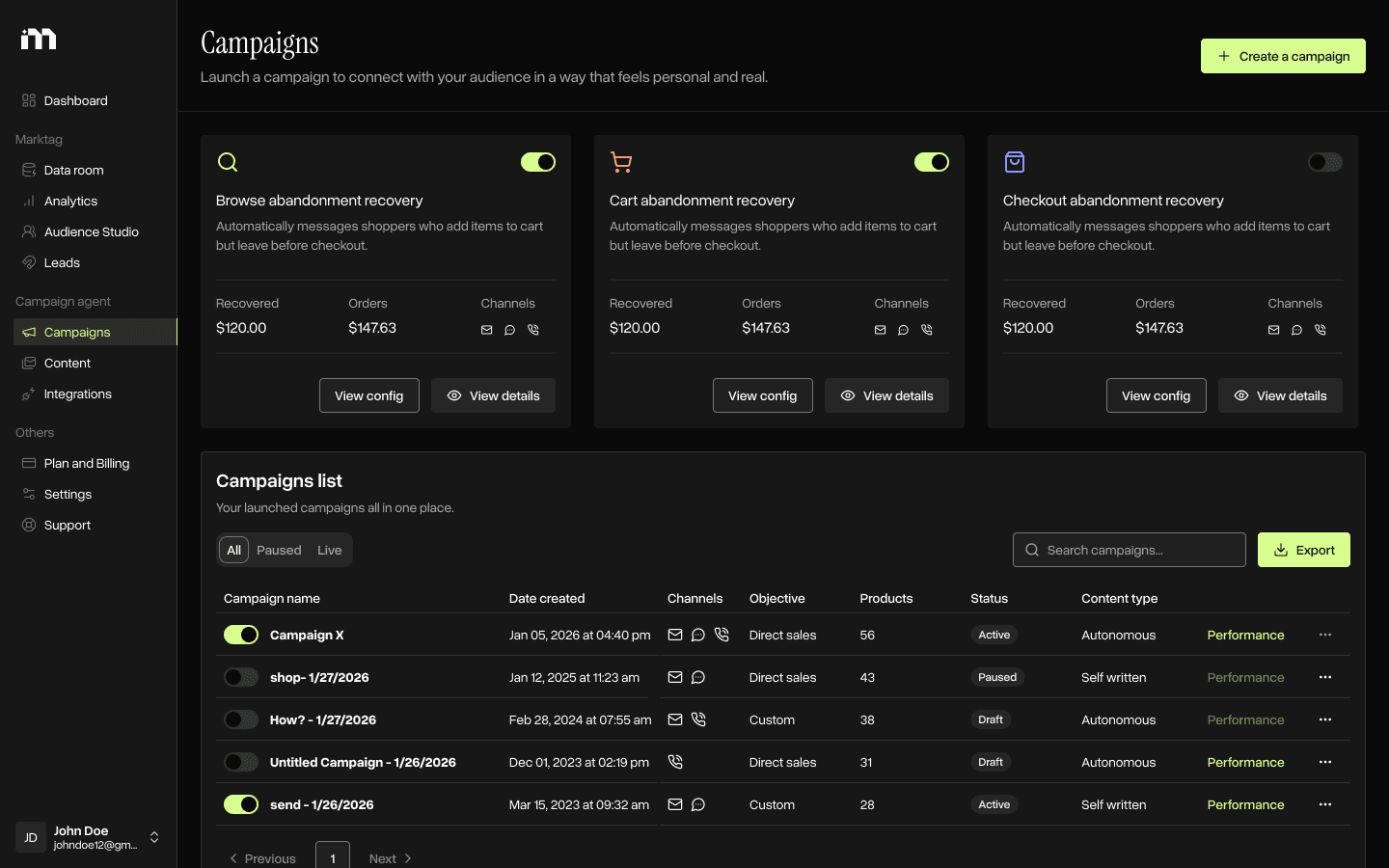
The platform captures key events from online stores through cookieless, first-party, server-side tracking, then sends that data to its proprietary behavioral intelligence system. The system understands customer behavior through “behavioral vectorization” which are mouse movements, scrolling patterns, clicks, etc.

From there, Markopolo AI creates 1:1 hyper-personalized text messages and sends them to the right customer at the right time.
Ecommerce marketers use Markopolo AI to launch SMS campaigns across the full customer lifecycle, such as:
welcome flows
browse abandonment
cart abandonment
checkout recovery
loyalty flows
cross-sell and upsell campaigns
stock and wishlist updates
shipping updates
delivery notifications
retention and win-back campaigns, etc.
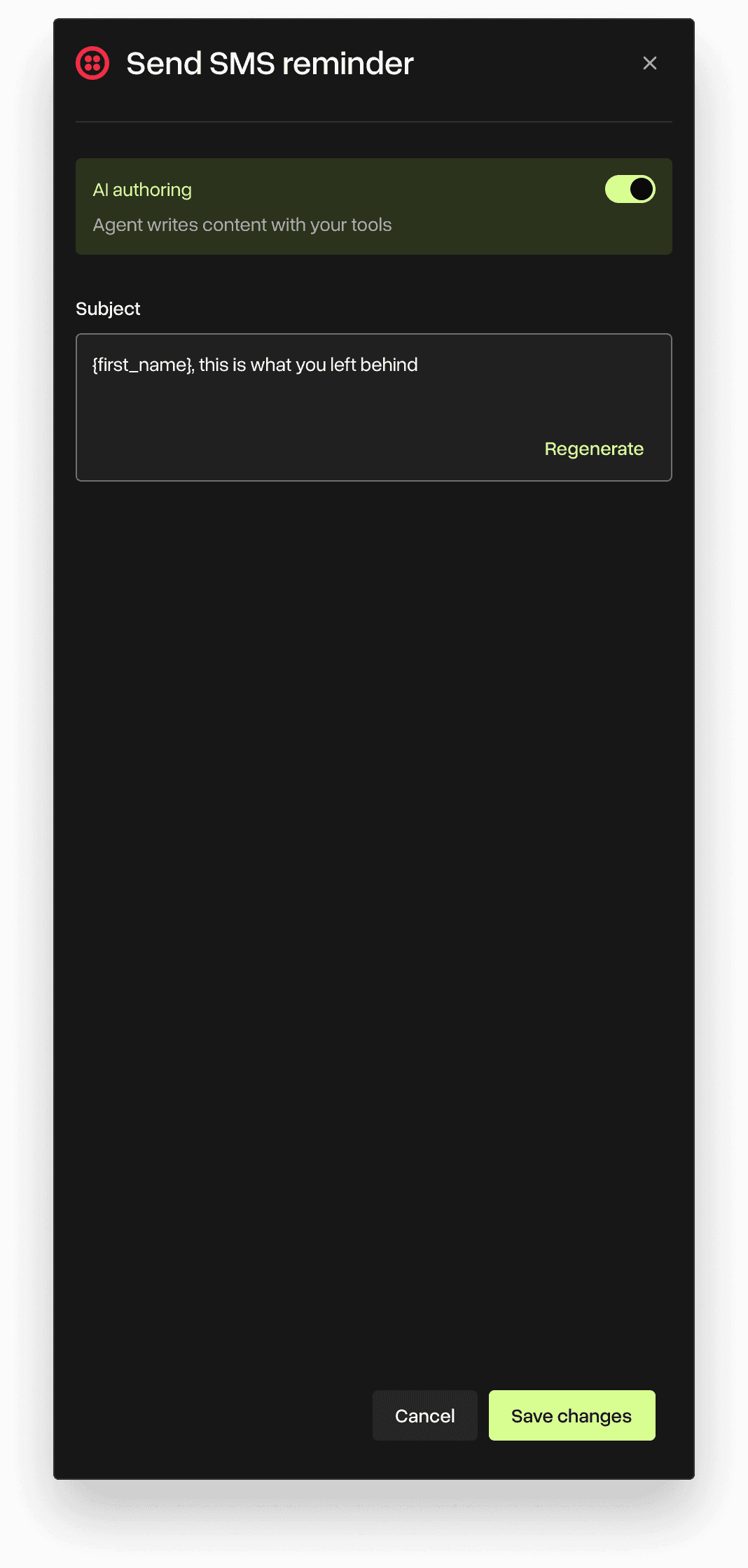
The platform is context-aware and omnichannel, so ecommerce and online retail brands can combine SMS with email, WhatsApp, push notifications, and AI voice calls when another channel is better suited for the customer journey.
CRM integration is easy with Markopolo AI. Mid-market to enterprise ecommerce and DTC brands can connect their CRM systems to the platform, which helps their SMS campaigns perform better by giving the AI a clearer understanding of the customer base.
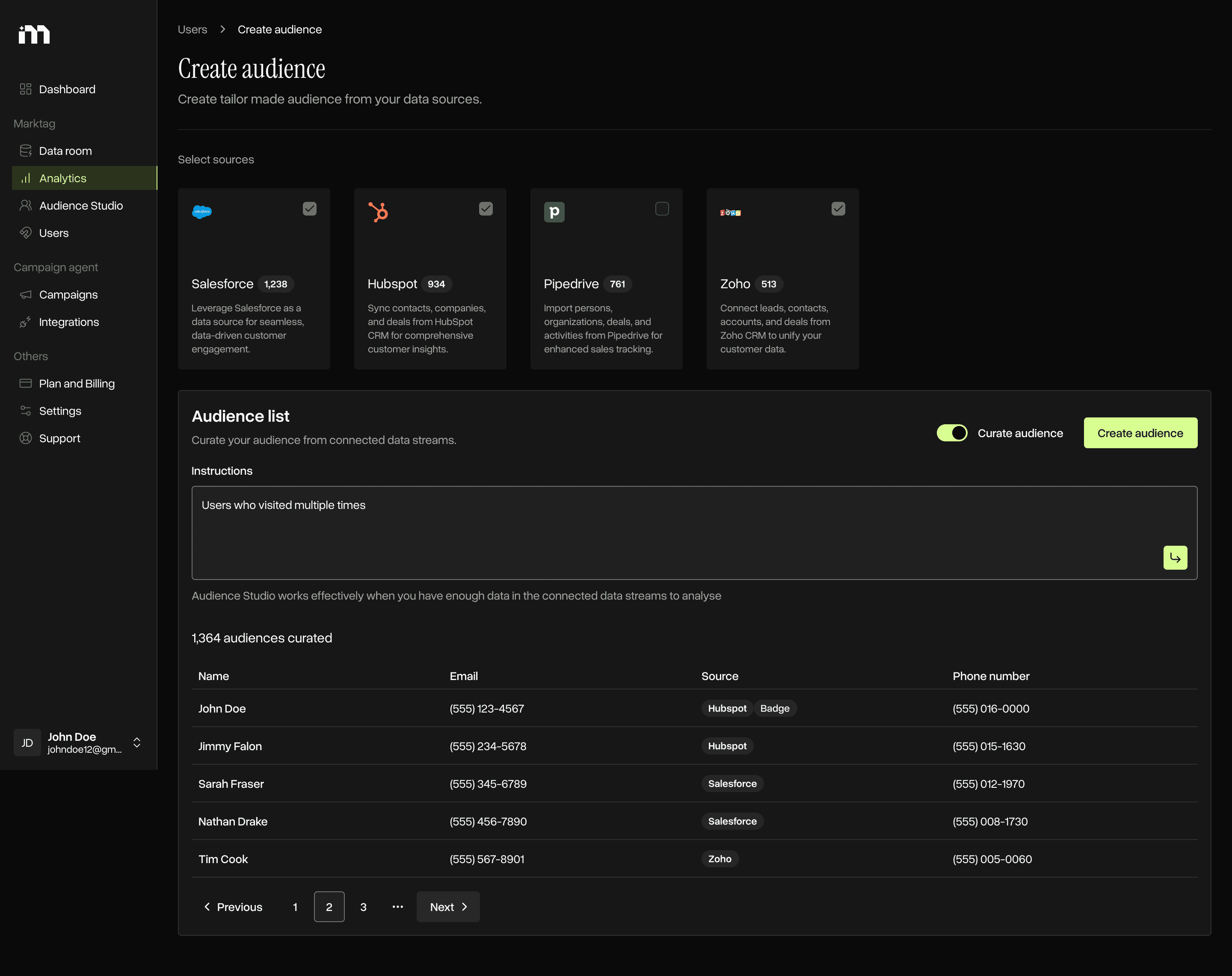
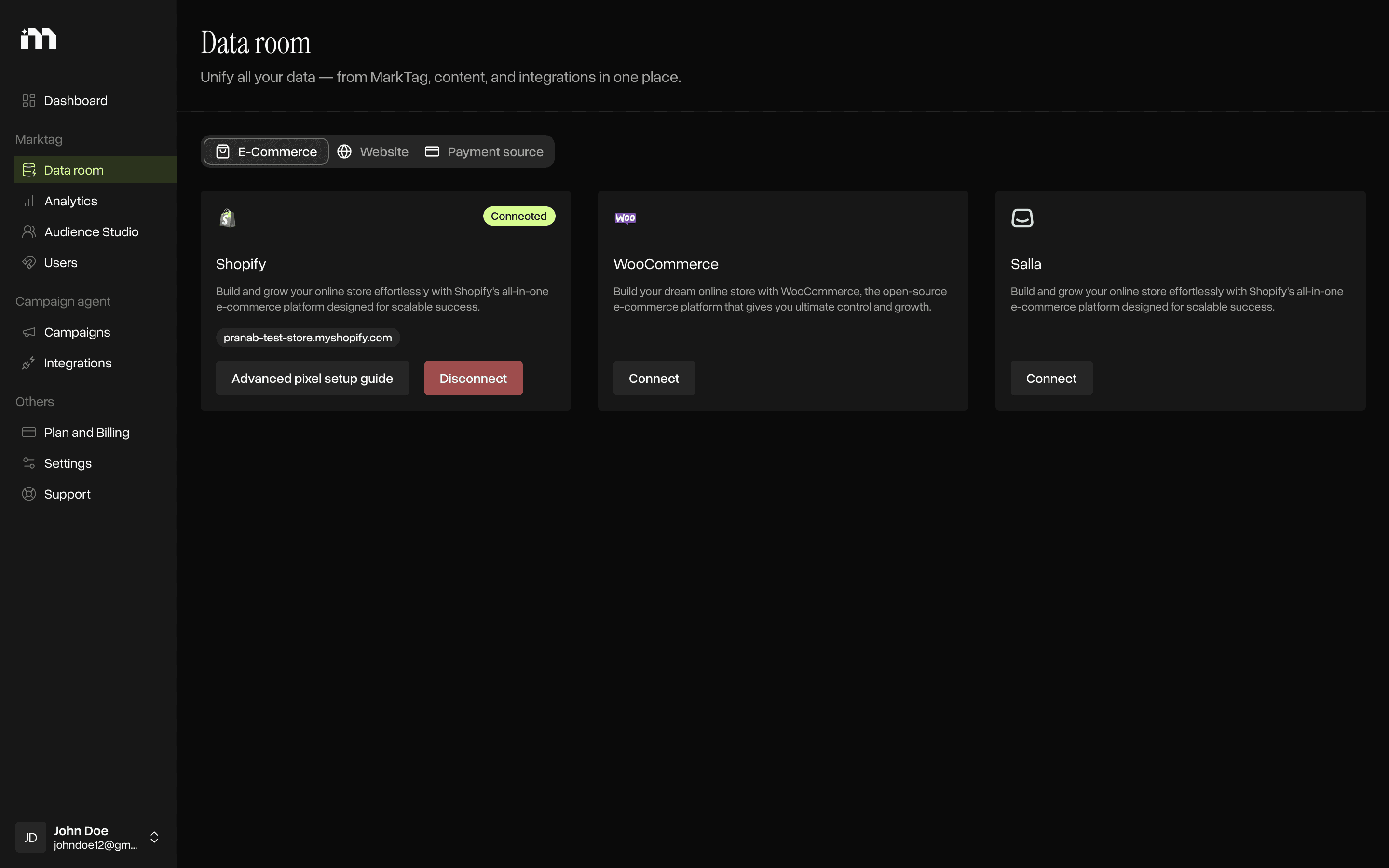
And for solopreneurs running small online stores who don’t use a CRM, they can still activate customer data by connecting Markopolo AI directly to their store.
Markopolo AI also includes revenue attribution, which allows ecommerce teams to see which SMS campaigns and flows are actually generating revenue.

As a result, Markopolo AI helps online retails grow sales, revenue, and customer retention through behavior-triggered, hyper-personalized SMS marketing automation.
Automate SMS marketing for your eCommerce brand today
Markopolo AI lets you automate SMS marketing for your online store
No credit card needed
Klaviyo — best for advanced segmentation
Klaviyo is a strong choice for those ecommerce brands whose SMS marketing depends on deep customer segmentation.
Klaviyo’s customer profiles combine purchase history, browsing behavior, product interest, email engagement, SMS clicks, order value, lifetime value, and last purchase date.
Ecommerce marketers can use that data to build highly specific audiences, such as VIP buyers, first-time customers, cart abandoners, high-AOV shoppers, discount-sensitive subscribers, or lapsed customers.
Klaviyo works best for brands that want email and SMS marketing automation to run from the same customer data layer. It is especially useful when the goal is to improve targeting, personalize lifecycle flows, and measure how each automated message contributes to revenue.
Omnisend — best for ease of use
Omnisend gives ecommerce teams a simpler way to launch SMS automation without heavy technical setup.
The platform includes prebuilt workflows, templates, segmentation, and a drag-and-drop campaign builder. Online stores can use it for welcome messages, cart abandonment, post-purchase follow-ups, promotional SMS campaigns, and customer reactivation flows.
Omnisend is a practical fit for small and mid-sized ecommerce brands that want to get SMS automations live quickly. It works best when the priority is speed, usability, and multichannel campaign execution rather than a highly customized lifecycle marketing system.
Attentive — best for two-way SMS marketing
Attentive turns SMS into a two-way marketing channel for ecommerce brands.
Instead of only sending one-way promotional texts, marketers can build conversational journeys based on shopper replies, keywords, preferences, and purchase intent. A customer can respond to a campaign, share what they are looking for, ask a product question, or move through a guided buying path.
That reply data can also improve segmentation and future targeting. Attentive is a strong fit for DTC brands that want SMS automation to support product discovery, preference collection, cart recovery, and conversational commerce.
Postscript — best for compliance controls
Postscript is built for ecommerce stores that are built on Shopify and want SMS marketing automation with strong consent and compliance controls.
Ecommerce teams can use Postscript to collect opt-ins, manage opt-outs, send promotional texts, automate cart recovery, and build lifecycle SMS flows around Shopify customer data. Its compliance focus is useful for brands that need clearer handling of consent records, STOP/HELP language, frequency expectations, carrier rules, and deliverability requirements.
Postscript is especially useful for Shopify merchants that want abandoned cart SMS automation, welcome offers, product drops, win-back flows, and promotional campaigns without adding unnecessary compliance complexity.
Recart — best for subscriber growth
Recart focuses on the part of SMS marketing that happens before the first campaign: list growth.
The platform helps ecommerce brands capture phone numbers and emails through fast popups, one-click signup flows, and offer-based opt-ins. This matters because SMS revenue depends on the quality and size of the opted-in subscriber list.
After a shopper subscribes, brands can move that customer into welcome flows, cart recovery campaigns, product promotions, and retention sequences. Recart is a strong choice for stores that rely on paid traffic, product launches, seasonal offers, or discount-led acquisition.
Emotive — best for conversational selling
Emotive suits ecommerce brands that want SMS to feel like a guided sales conversation.
The platform combines automation with human-assisted messaging, so shoppers can reply, ask questions, get product advice, and receive help before buying. This is useful for products that need more explanation, reassurance, sizing guidance, or objection handling.
Emotive is strongest when SMS is not only a campaign channel but also a sales-support channel. It fits brands that want to use two-way texting, conversational ads, and text-to-buy experiences to turn shopper replies into revenue.
Manychat — best for chat-based SMS flows
Manychat connects social engagement with SMS marketing automation.
Ecommerce brands can trigger automated conversations from Instagram comments, DMs, giveaways, product questions, story replies, and campaign interactions. From there, they can collect phone numbers or emails and continue the journey through SMS, Messenger, WhatsApp, or email.
Manychat is useful for online retail brands that promote products heavily through social media. A shopper can comment on a launch post, receive an automated DM, claim a discount, join the SMS list, and get follow-up messages that move them closer to checkout.
SlickText — best for keyword-based campaigns
SlickText works well when ecommerce brands want SMS campaigns tied to specific keywords.
A brand can create unique keywords for product launches, influencer campaigns, seasonal sales, QR codes, events, retail signage, or offline promotions. When a shopper texts the keyword, they can join a list and instantly receive a discount code, product link, or welcome message.
This gives marketers clearer campaign attribution because each keyword represents a specific source or intent. SlickText is a strong fit for brands that want measurable list growth, simple campaign automation, and keyword-based subscriber segmentation.
SimpleTexting — best for mass texting and promotional broadcasts
SimpleTexting is best for ecommerce teams that need a straightforward SMS campaign builder for large subscriber lists.
Brands can use it to send flash sale alerts, holiday promotions, product launch messages, back-in-stock updates, limited-time offers, and clearance campaigns. It also supports scheduled texts, MMS, recurring campaigns, and contact segmentation.
SimpleTexting is not the deepest lifecycle automation tool, but it is useful when the goal is fast campaign execution. It fits ecommerce teams that mainly want to drive traffic, promote products, and generate quick sales from SMS subscribers.
How to choose the best SMS marketing automation tool for an ecommerce store?
Ecommerce store owners should choose an SMS automation platform by asking:
What revenue problem should SMS solve first?
The answer will usually point to the right category of tool.
The best tool is the one that matches the brand’s main growth objective, customer journey, ecommerce platform, and lifecycle marketing maturity.
A small to medium sized online store that mainly wants to recover abandoned carts should not evaluate tools the same way as an established DTC brand that wants conversational selling, or email and SMS orchestration.
Start with the business goal first, then pick the SMS automation strategies that directly solve that goal in measurable ways.
Ecommerce brands usually choose SMS marketing automation software for one of six reasons: recovering carts, growing subscribers, promoting products, improving retention, personalizing lifecycle flows, or turning customer replies into sales conversations.
Before choosing a platform, it also helps to map the core SMS marketing automation strategies for ecommerce you want to run, because the right tool depends on whether your store needs cart recovery, browse abandonment, post-purchase retention, win-back campaigns, or conversational selling.
If your store wants deeper lifecycle marketing, choose a platform that uses first-party customer data, behavioral triggers, segmentation, and revenue attribution. This matters when SMS is not just a broadcast channel, but part of your entire lifecycle campaigns, such as welcome flows, browse abandonment, cart abandonment, checkout recovery, post-purchase campaigns, loyalty flows, win-back campaigns, and repeat purchase journeys.
If your team wants speed, choose a tool with prebuilt SMS automation workflows, templates, drag-and-drop campaign building, and simple ecommerce integrations. This works better for small and mid-sized online stores that need to launch campaigns quickly without building a complex customer data system.
If your brand depends on customer conversations, choose a platform with two-way messaging, reply-based automation, keyword triggers, product advice, and purchase assistance. These features help DTC and retail brands use SMS for conversational commerce, not only for promotional text campaigns.
If your main problem is list growth, choose a tool with strong opt-in forms, popups, QR codes, keywords, checkout opt-ins, and consent capture. SMS automation only works when the subscriber list is both large enough and properly opted in.
What to look for before choosing an eCommerce SMS marketing automation tool?
Before choosing an ecommerce SMS marketing automation tool, look for the features that directly affect revenue, deliverability, personalization, compliance, and workflow speed.
The best tool should help your store capture consent, segment shoppers, trigger automated SMS flows, personalize campaigns, and measure revenue from SMS.
Ecommerce integrations
The tool should connect with your ecommerce platform (Shopify, WooCommerce, BigCommerce, etc.) customer data, product catalog, checkout events, and order history. Strong integrations help SMS campaigns react to real shopper behavior, such as product views, add-to-cart events, checkout abandonment, purchases, delivery status, and inactivity.
Without ecommerce data, SMS automation becomes generic campaign sending.
Automated SMS workflows
A good SMS automation platform should support the core ecommerce flows: welcome series, abandoned cart SMS automation, browse abandonment, checkout recovery, post-purchase follow-ups, back-in-stock alerts, replenishment reminders, loyalty campaigns, and win-back flows.
These workflows matter because ecommerce SMS works best when messages are triggered by customer intent, not sent randomly to the full list.
Segmentation and personalization
The platform should let marketers segment shoppers by purchase history, browsing behavior, cart activity, customer lifetime value, product interest, location, engagement, and consent status.
Better segmentation improves message relevance. A first-time visitor, repeat buyer, cart abandoner, VIP customer, and lapsed customer should not receive the same SMS campaign.
Email and SMS orchestration
Ecommerce teams should look for tools that can coordinate SMS with email and other marketing channels. SMS is immediate, but it is not always the right channel for every message.
A strong platform lets brands decide when to send an SMS, when to use email, and when to combine both inside the same lifecycle flow. This helps reduce over-messaging and improves the customer journey.
Consent capture and opt-out handling
SMS marketing depends on consent. The tool should support opt-in forms, checkout consent, keyword opt-ins, STOP/HELP handling, consent records, frequency disclosure, and unsubscribe management.
This protects deliverability and helps ecommerce brands avoid sending messages to shoppers who did not agree to receive them.
Revenue attribution and reporting
The platform should show which SMS campaigns, flows, and customer segments generate revenue. Useful reporting should include clicks, conversions, unsubscribe rate, deliverability, campaign revenue, flow revenue, and SMS ROI.
Without attribution, ecommerce teams cannot know whether SMS is actually growing sales or just adding another marketing cost.
AI, testing, and optimization
An AI-powered SMS marketing automation tool for ecommerce, online retail, and DTC brands should do more than generate text copy. It should use customer behavior, lifecycle stage, product interest, and purchase intent to improve message timing, segmentation, recommendations, and campaign performance.
These features are useful when brands want to improve conversion rates without manually rewriting every campaign.
AI is most valuable when it uses real customer behavior and lifecycle context, not just generic message templates.
Pricing and scalability
SMS pricing can vary by contacts, credits, message volume, MMS usage, country, carrier fees, or plan tier. Before choosing a tool, ecommerce brands should check both the starting price and the cost of scaling.
A cheap tool can become expensive if message volume grows quickly. A higher-priced tool can still make sense if it improves cart recovery, retention, repeat purchases, and customer lifetime value.
Support and migration
Support quality matters when a store is moving from another SMS marketing platform or building automations for the first time. Look for onboarding help, migration support, deliverability guidance, campaign setup assistance, and responsive customer support.
This is especially important for ecommerce teams that do not have a dedicated lifecycle marketing or CRM operations team.
FAQs
Can Markopolo AI be used as a standard, standalone SMS marketing tool for ecommerce?
Yes. Markopolo AI includes SMS marketing features for promotional campaigns, transactional messaging, and automated customer journeys.
Does Markopolo AI support SMS marketing automation for ecommerce brands?
Yes. It automates SMS campaigns based on customer behavior, purchase history, and real-time events to improve engagement and conversions. It also lets you launch custom campaigns easily.
Can ecommerce businesses use Markopolo AI for SMS campaigns only?
Yes. Businesses can run SMS marketing independently, though combining SMS with other channels creates more effective lifecycle marketing.
Does Markopolo AI include bulk SMS campaigns and automated text messaging?
Yes. It supports bulk SMS campaigns as well as automated text messages for abandoned carts, order updates, replenishment reminders, and customer retention.
Is Markopolo AI a good alternative to eCommerce SMS marketing tools like Klaviyo and Postscript?
Yes. Markopolo AI is a strong alternative for brands seeking hyper-personalization, behavioral targeting, AI-powered segmentation, omnichannel automation, and unified customer data.