5 best affordable customer engagement platforms for startups and small businesses
Sirazum Monir Osmani
Customer engagement platforms (CEPs) help businesses connect with their audience across email, SMS, WhatsApp, and other channels. For startups and small ecommerce brands, choosing the right tool can mean the difference between wasted ad spend and recovered revenue. This guide covers five budget-friendly options that deliver real value without enterprise-level pricing.
Why do startups need to engage with customers digitally?
Most online shoppers abandon their carts before completing a purchase. For small ecommerce businesses and D2C brands, every lost sale hurts. Digital customer engagement helps recover this revenue by reaching shoppers at the right moment with the right message across email, SMS, WhatsApp, and other channels. These platforms automate follow-ups, personalize outreach, and track customer behavior across touchpoints so brands stay connected beyond a single visit. Without them, startups rely on guesswork. But with them, they can build stronger customer relationships and compete with larger retailers who have dedicated marketing teams.
5 ways a low-cost customer engagement tool can help startups and small businesses
Recover abandoned carts without manual effort
Cart abandonment is a major revenue leak for online stores. A good engagement platform automatically sends reminders through email, SMS, or WhatsApp when someone leaves items behind. Instead of hoping customers return on their own, businesses can nudge them back with timely messages. This automation runs in the background, recovering sales while founders focus on other priorities.
Personalize messages beyond "Hi {FirstName}"
Basic personalization feels generic. Modern engagement tools can tailor messages based on browsing behavior, purchase history, and engagement patterns. A customer who compares prices might respond to value messaging. Someone who reads reviews might need social proof. This deeper personalization increases open rates and conversions without requiring manual segmentation for every campaign.
Reach customers on their preferred channels
Some customers check email. Others respond faster to SMS or WhatsApp. Multi-channel engagement platforms let businesses meet customers where they are. Instead of blasting the same message everywhere, startups can coordinate outreach across channels based on individual preferences. This reduces unsubscribes and improves response rates.
Understand customer behavior through analytics
Data reveals what works and what doesn't. Engagement platforms track opens, clicks, conversions, and revenue generated from each campaign. Startups can see which messages drive sales and which fall flat. This insight helps small teams make better decisions with limited resources.
Scale outreach without adding headcount
Hiring marketers is expensive. Customer engagement tools let small teams do the work of larger departments. Automated workflows handle routine tasks like welcome sequences, win-back campaigns, and order confirmations. As the business grows, these systems scale without requiring proportional increases in staff.
Top 5 affordable customer engagement platforms for startups and small businesses: comparison, key features, pros and cons
Platform | Starting price | Best for | Key strength | Channels | AI personalization |
|---|---|---|---|---|---|
Markopolo AI |
| Businesses with 10,000+/- monthly visitors, small B2C, D2C and ecommerce startups | Individual-level AI orchestration, 30-40% revenue recovery | Email, SMS, WhatsApp, push, voice | Yes, 1:1 hyper-personalization at scale in real time |
Klaviyo | $20/month (250 contacts) | Email-focused e-commerce | Email marketing and segmentation | Email, SMS | Basic segmentation |
Omnisend | Free (250 contacts) | Small Shopify stores | Pre-built e-commerce workflows | Email, SMS, push | Template-based |
Brevo (Sendinblue) | Free (300 emails/day) | Budget-conscious startups | Generous free tier | Email, SMS, WhatsApp | Limited |
Mailchimp | Free (500 contacts) | Beginners and solopreneurs | Ease of use | Email, SMS | Basic automation |
Markopolo AI
Markopolo AI is an AI-native customer engagement platform built specifically for ecommerce businesses. Unlike traditional tools that apply the same workflow to entire segments, Markopolo creates individual strategies for each customer. Its core technology, MarkTag, captures detailed behavioral data and transforms it into actionable intelligence. The platform then uses this data to orchestrate personalized journeys across email, SMS, WhatsApp, push notifications, and even AI-powered voice calls.
The platform is suitable for all both early stage startups and enterprise brands. Each visitor gets their own AI agent that understands their browsing patterns, purchase intent, and preferred communication channels. This approach has delivered cart recovery rates of 30-40% for users, compared to the industry standard of 10-15% with traditional platforms.
Why is Markopolo AI the best CEP for startups and small D2C businesses
Built for businesses with limited monthly visitors
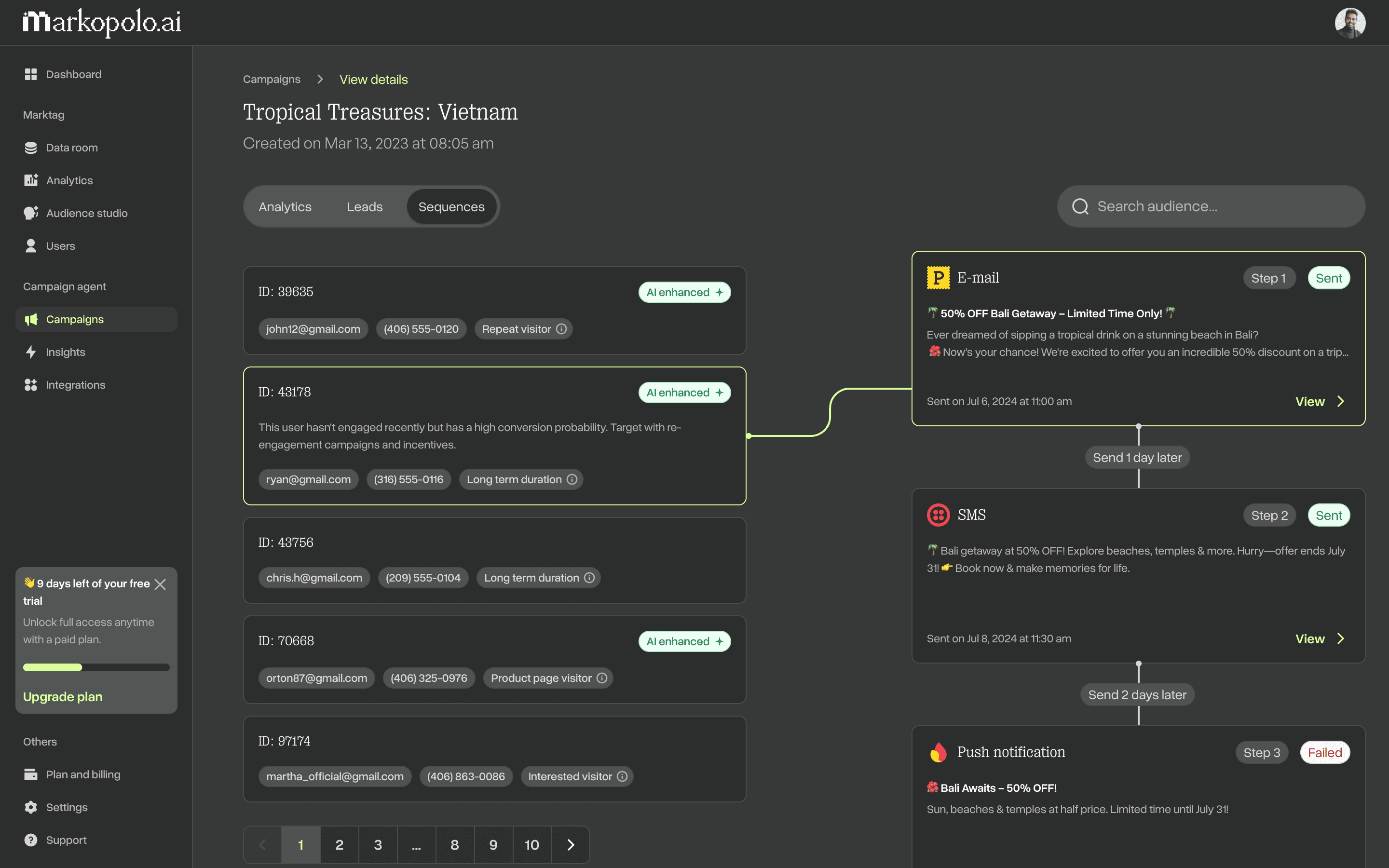
Many enterprise platforms charge based on contacts or events, making them prohibitively expensive as traffic grows. Markopolo uses value-based pricing that has a free plan, and its pried plan starts at $39/month plus. This model works well for startups because costs stay proportional to results. A store with 10,000 monthly visitors pays the same base rate as one with 5,000, and only pays more when the platform actually recovers sales.
For early-stage businesses, this removes the risk of paying for features they don't use. The platform delivers value before demanding significant investment. As revenue grows, the cost scales accordingly, but so does the return.
Transparent cost structure aligned with results
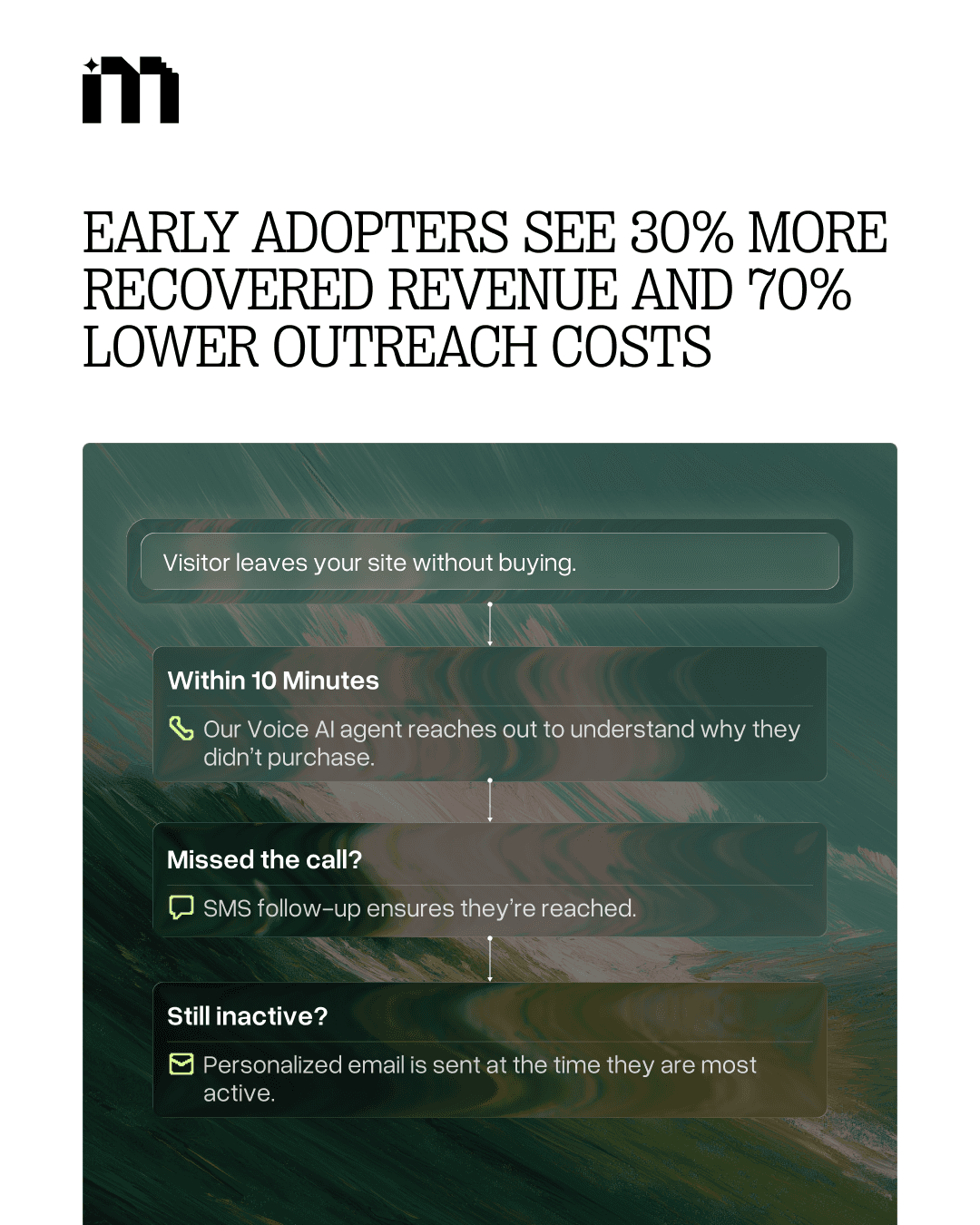
Traditional engagement platforms charge per contact or per message sent. This creates a disconnect between cost and value. Markopolo's pricing ties directly to recovered revenue. The Starter tier takes 3% of recovered sales, Growth takes 2.5%, and Scale takes 2%. This means businesses only pay more when they're making more.
For cash-strapped startups, this matters. There's no need to calculate whether sending an extra campaign will be worth the cost. The platform's incentives align with the business's goals. When Markopolo recovers revenue, both parties benefit.
True 1:1 personalized email outreach
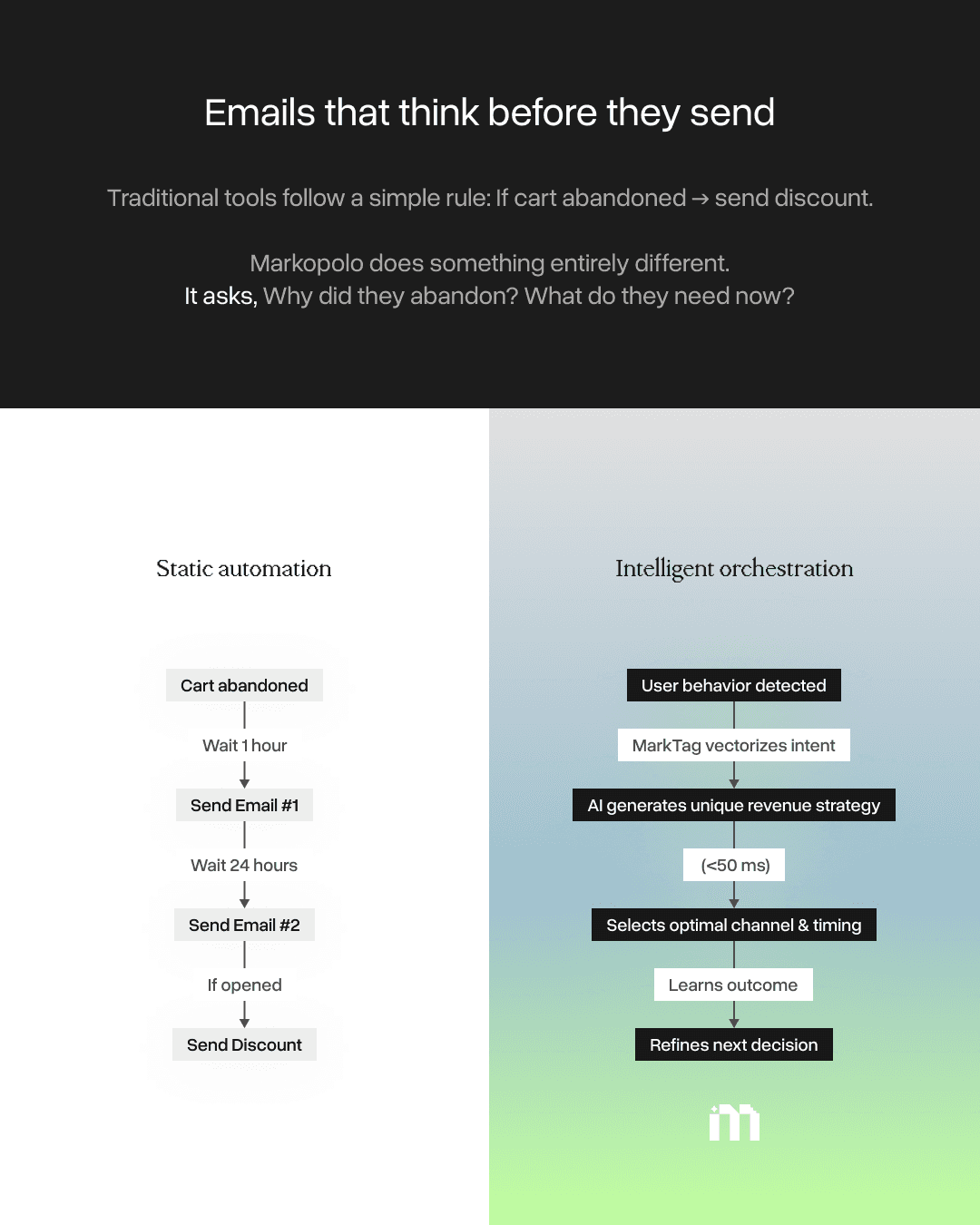
Most CEPs with personalization capabilities only insert a name into a template. Markopolo goes further. Its AI analyzes each customer's behavioral data to craft messages tailored to their specific situation. Someone showing price sensitivity gets different messaging than someone focused on product quality.
The platform's behavioral vectorization creates a 384-dimensional profile of each user. This captures hesitation patterns, comparison behavior, and engagement preferences. Emails aren't just personalized with merge fields. They're strategically designed for each individual's decision-making style. This level of personalization was previously only possible with dedicated sales teams.
SMS campaigns that respect timing and context
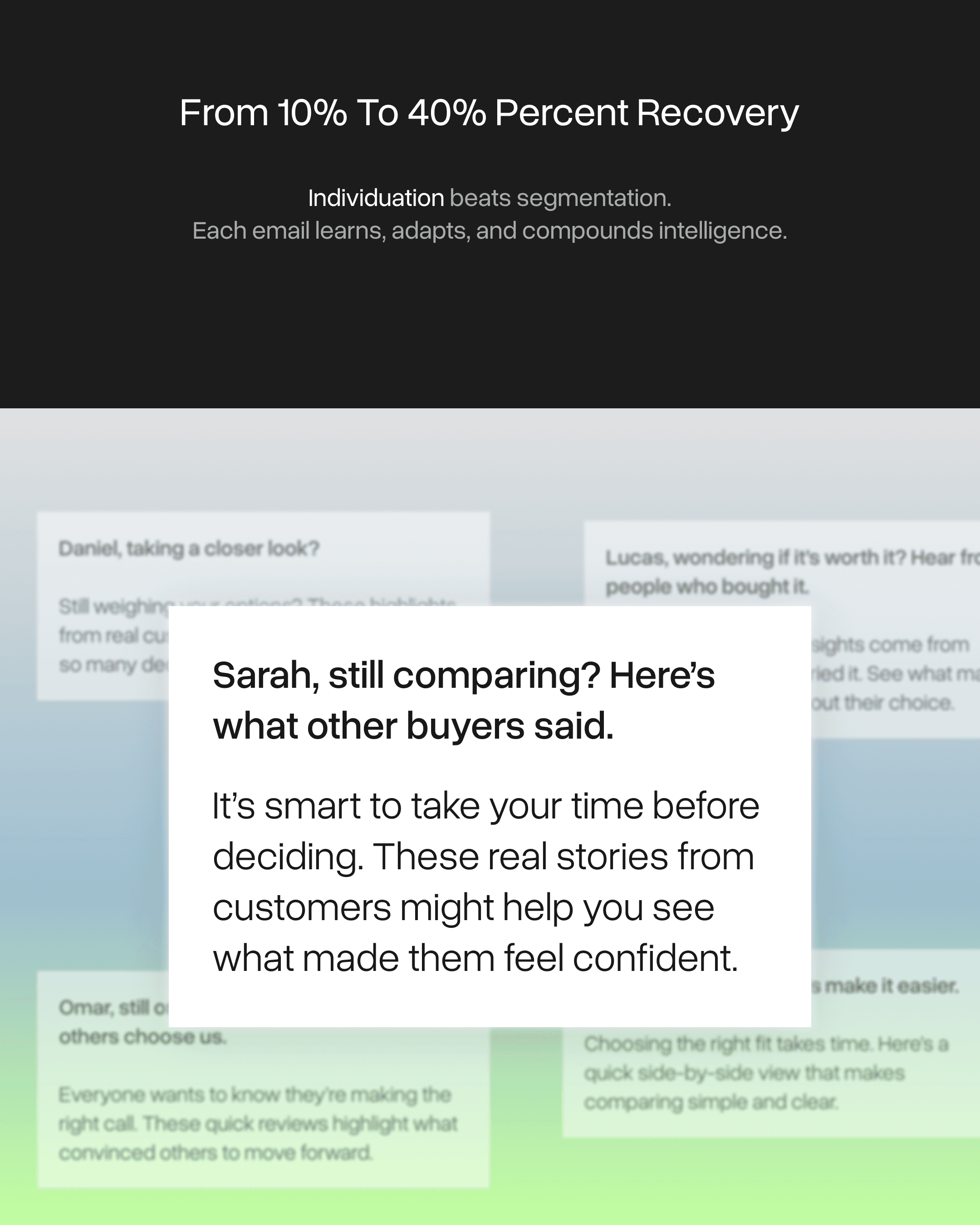
SMS is effective but intrusive. Sending messages at the wrong time or with irrelevant content damages customer relationships. Markopolo's AI identifies optimal sending windows for each individual based on their historical engagement patterns.
The platform also matches message content to customer context. A researcher in the middle of comparing options gets different SMS content than an impulse buyer ready to purchase. This context-awareness reduces unsubscribes and increases conversion rates. Small businesses get enterprise-level SMS sophistication without enterprise-level complexity.
Omnichannel orchestration without complexity
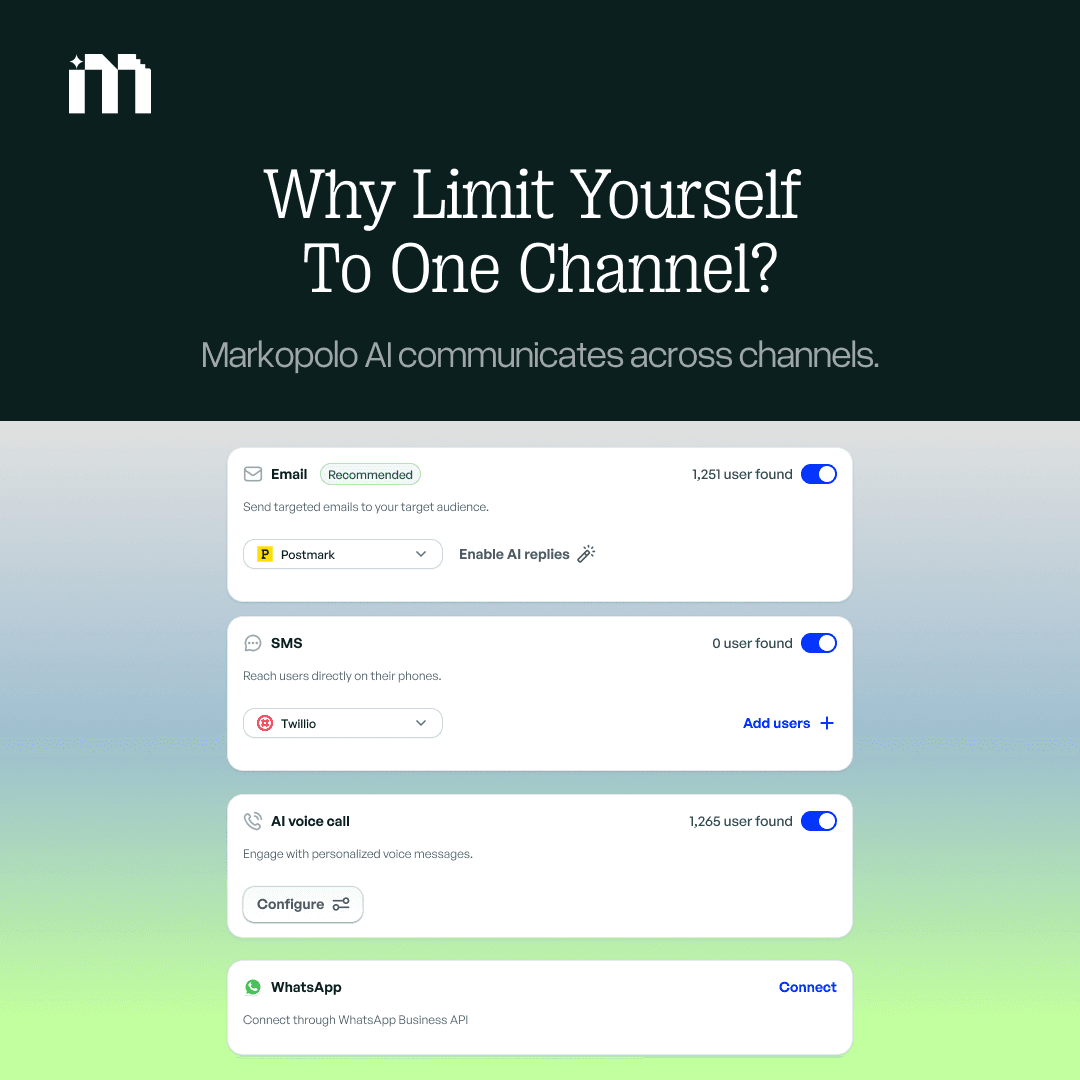
Coordinating omnichannel customer engagement across email, SMS, WhatsApp, and push notifications usually requires complex workflow builders. Markopolo handles this orchestration automatically. The AI determines which channel to use for each customer at each stage of their journey.
For a startup team juggling multiple responsibilities, this automation is essential. There's no need to build branching logic for every scenario. The platform learns which channels work best for each customer and adjusts accordingly. This means better results with less setup time.
Voice AI for human-like customer conversations
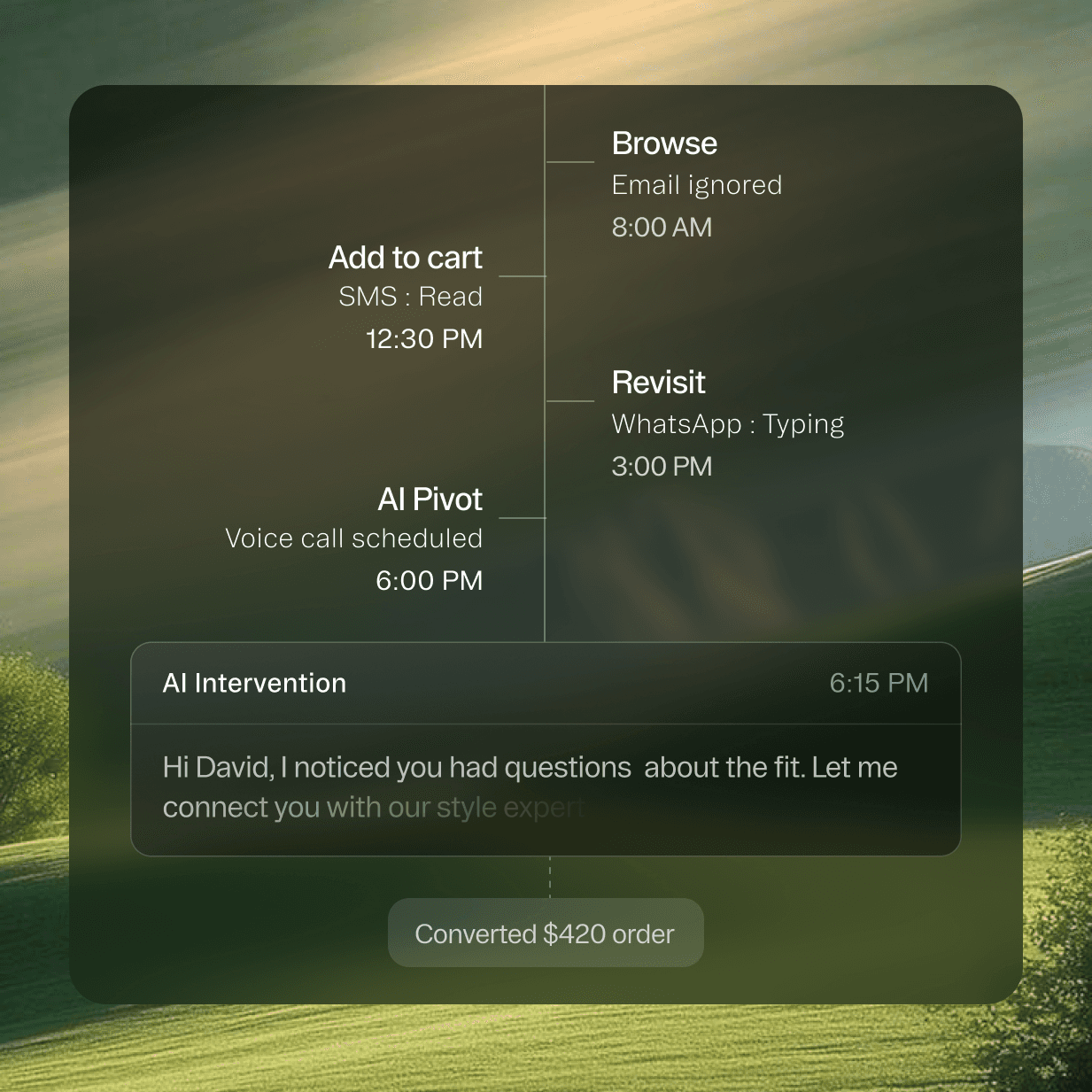
Markopolo includes AI-powered voice calls as part of its channel mix. This capability is rare in affordable engagement platforms. The voice agent can make calls that sound like real sales conversations, following up with leads or recovering high-value abandoned carts.
For D2C brands selling considered purchases, voice outreach and conversational AI can be the difference between a lost sale and a conversion. The AI adapts its approach based on customer data, creating conversations that feel personal rather than robotic. This feature positions Markopolo ahead of competitors still focused solely on text-based channels.
Behavioral intelligence beyond basic tracking
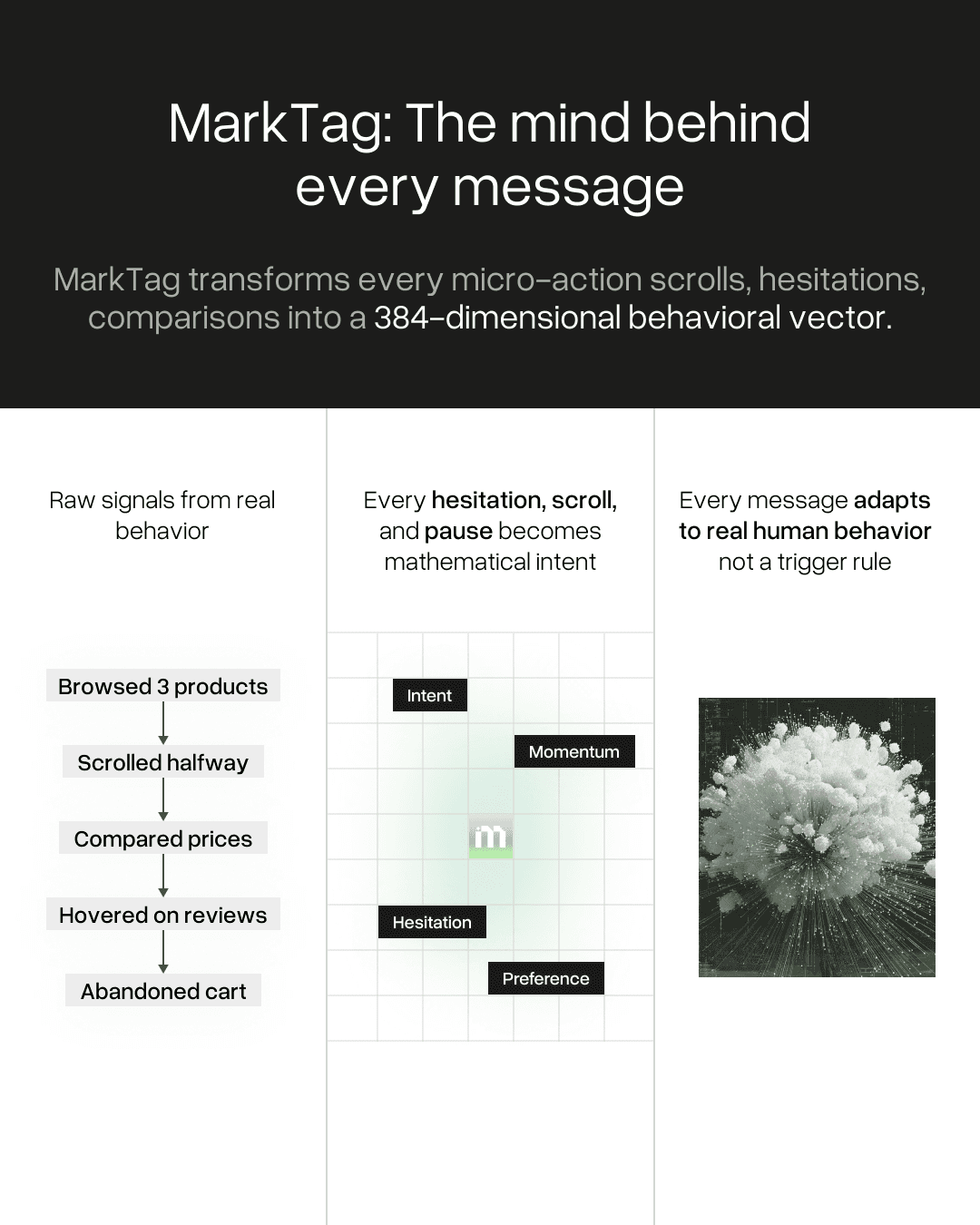
Standard analytics platforms track page views and clicks. Markopolo's MarkTag technology captures micro-interactions like mouse movements, scroll patterns, and hesitation behaviors. This data feeds into a "lifetime attribution model" that understands the full customer journey.
For startups trying to understand why customers buy or abandon, this depth of insight is valuable. The platform can predict which visitors are likely to purchase and which need additional nurturing. This intelligence helps small teams focus their limited resources on the highest-opportunity contacts.
AI-generated content that matches brand voice
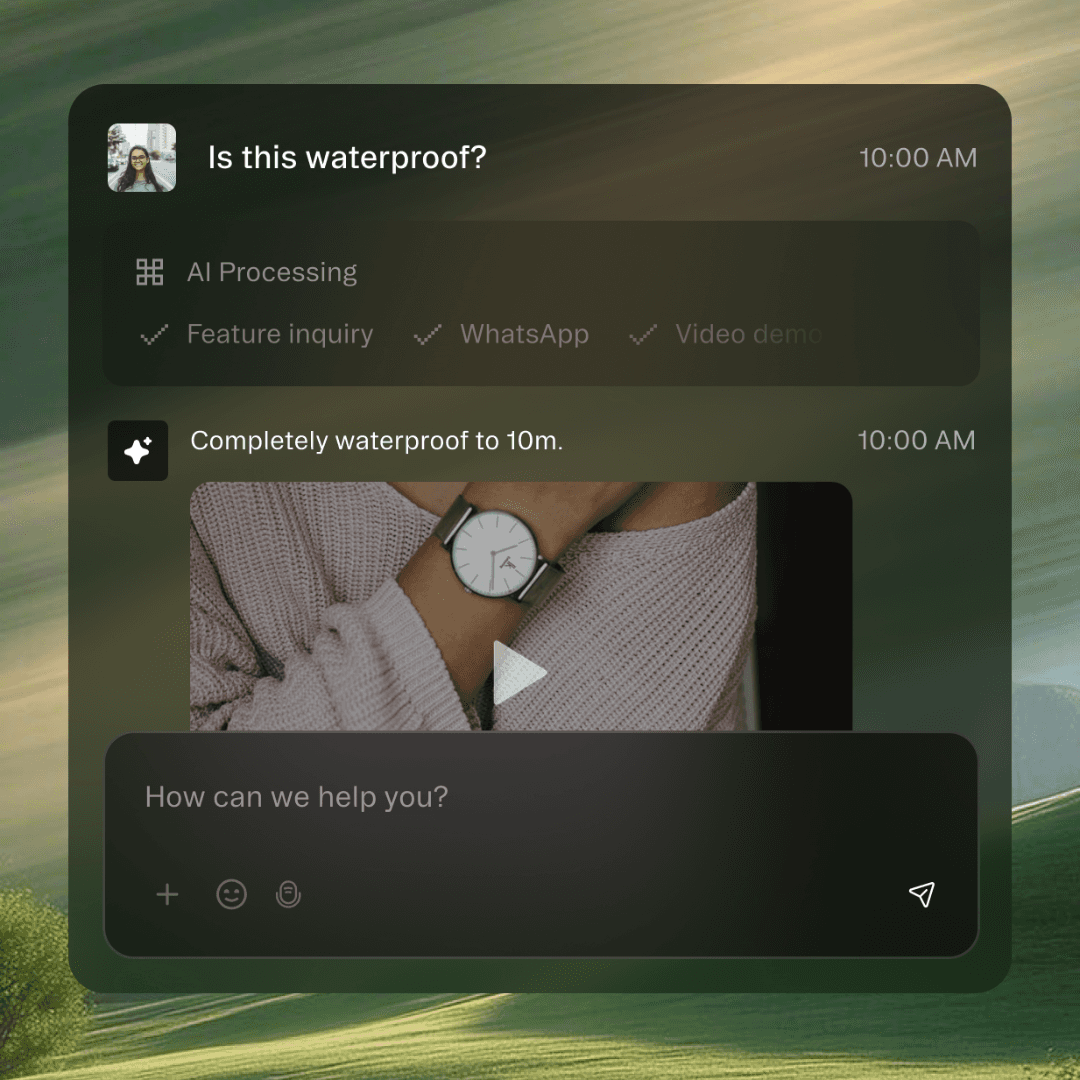
Creating personalized content for multiple channels is time-consuming. Markopolo offers both fully autonomous content generation and assisted writing modes. The AI uses the business's knowledge base to create messages that match brand tone and include relevant product details.
Startups can choose to let the AI handle content entirely or use it as a starting point for human editing. Either way, the platform reduces the creative burden on small teams. Campaign setup takes minutes instead of hours.
Real-time performance tracking and learning

The platform provides analytics that track revenue contribution across every touchpoint. Unlike vanity metrics that show opens and clicks, Markopolo focuses on actual sales recovered and revenue generated. This clarity helps startups understand true ROI.
More importantly, the system learns continuously, and engages with customers in real-time. Each interaction makes future predictions more accurate. Over time, the AI knows customers better than they know themselves. This compound intelligence effect means performance improves automatically without requiring manual optimization.
Quick setup for ecommerce platforms

Markopolo integrates with major ecommerce platforms including Shopify, with additional integrations for CRM systems and data sources. The MarkTag implementation is straightforward, similar to adding any tracking pixel. Once connected, the platform immediately begins collecting behavioral data and building customer profiles.
For startups without dedicated technical resources, this ease of implementation matters. There's no lengthy onboarding process or complex configuration required. Businesses can start recovering revenue within days of signing up.
Pros
AI creates individual strategies for each customer rather than applying segment-based rules
Value-based pricing aligns costs with results
Omnichannel orchestration across email, SMS, WhatsApp, push, and voice
Behavioral vectorization provides deeper customer understanding than traditional analytics
Voice AI capability included, not an expensive add-on
Continuous learning improves performance over time
Cart recovery rates of 30-40% exceed industry averages
Quick integration with ecommerce platforms
Cons
May require a learning curve for traditional marketers
Klaviyo
Klaviyo is an email and SMS marketing platform built for ecommerce. It integrates deeply with Shopify, WooCommerce, and other online store platforms. The tool excels at email marketing with strong segmentation capabilities and pre-built automation flows. It's widely used by growing e-commerce brands and has become something of an industry standard for email-first marketing.
Why startups can consider using Klaviyo
Klaviyo offers a proven platform with extensive e-commerce integrations. Its email capabilities are robust, and the pre-built flows make it easy to launch abandoned cart sequences, welcome series, and post-purchase campaigns. The platform's segmentation tools help businesses target specific customer groups. For startups focused primarily on email marketing, Klaviyo provides professional-grade features at accessible price points.
Pros
Deep integration with Shopify and other e-commerce platforms
Strong email deliverability and reputation
Pre-built automation flows for common e-commerce scenarios
Detailed analytics and reporting
Large community and extensive documentation
Cons
Pricing increases significantly as contact lists grow
Limited channels beyond email and SMS
Segment-based approach lacks individual-level personalization
No voice channel capabilities
Can become expensive for businesses with large subscriber lists
Comparing Klaviyo vs Markopolo AI for small businesses and startups
Klaviyo excels at email marketing but treats customers as segments rather than individuals. A business might create ten audience segments and build flows for each. Markopolo creates unique strategies for each customer automatically. For cart recovery specifically, this difference shows in results. Klaviyo users typically see 10-15% recovery rates with well-optimized flows. Markopolo users report 30-40% recovery because each customer gets an individually crafted journey. Additionally, Markopolo includes voice AI and more sophisticated behavioral tracking, features Klaviyo doesn't offer. For startups wanting to maximize revenue recovery with limited time, Markopolo's automated individual orchestration provides better results with less manual setup.
Omnisend
Omnisend is a marketing automation platform designed for e-commerce businesses, particularly those using Shopify. It offers email, SMS, and push notification capabilities with a focus on pre-built workflows. The platform positions itself as an alternative to Klaviyo with more affordable pricing and simpler setup.
Why startups can consider using Omnisend
Omnisend provides solid e-commerce automation at competitive prices. Its free tier allows up to 250 contacts with basic features, making it accessible for very early-stage businesses. The pre-built workflows cover standard e-commerce scenarios like cart abandonment and browse abandonment. For Shopify users especially, the integration is straightforward and the learning curve is gentle.
Pros
Generous free tier for getting started
Easy Shopify integration
Pre-built automation templates
Push notification channel included
Straightforward pricing
Cons
Limited personalization beyond basic segmentation
Fewer advanced features than competitors
Analytics can be basic
Template-driven approach limits customization
No AI-powered optimization
Comparing Omnisend vs Markopolo AI for small businesses and startups
Omnisend offers template-based automation while Markopolo provides AI-driven orchestration. With Omnisend, businesses select pre-built workflows and customize them manually. With Markopolo, the AI creates unique journeys for each customer based on behavioral data. Omnisend's approach works for basic automation needs but hits a ceiling. Markopolo's approach scales automatically and improves over time. The inclusion of voice AI and behavioral vectorization in Markopolo also provides capabilities Omnisend lacks entirely. For startups planning to grow, Markopolo's intelligence layer offers a better foundation.
Brevo (Sendinblue)
Brevo, formerly known as Sendinblue, is a marketing platform offering email, SMS, and WhatsApp capabilities. It's known for its generous free tier and affordable paid plans. The platform serves a broad range of businesses, from bloggers to e-commerce stores, with a focus on accessibility and ease of use.
Why startups can consider using Brevo
Brevo's free tier allows 300 emails per day with unlimited contacts, making it one of the most accessible options for bootstrapped startups. The platform covers multiple channels including WhatsApp, which many competitors charge extra for. Its interface is user-friendly, and the learning curve is manageable for non-technical founders. For businesses just starting with email marketing, Brevo provides a low-risk entry point.
Pros
Very generous free tier
WhatsApp included in channel mix
Transactional email capabilities
Simple, clean interface
Affordable paid plans
Cons
E-commerce integrations less deep than specialized platforms
Segmentation capabilities are basic
Limited behavioral tracking
No AI personalization at the individual level
Daily sending limits on free tier
Comparing Brevo vs Markopolo AI for small businesses and startups
Brevo is a general-purpose marketing platform while Markopolo is built specifically for e-commerce revenue recovery. Brevo's strength is affordability and channel coverage. Markopolo's strength is intelligent automation that maximizes revenue. A startup using Brevo still needs to decide what to send, when to send it, and to whom. Markopolo's AI handles these decisions automatically based on behavioral data. For e-commerce and D2C businesses specifically, Markopolo's specialized focus and AI capabilities deliver better results than Brevo's generalist approach.
Mailchimp
Mailchimp is one of the most recognized names in email marketing. The platform offers email campaigns, basic automation, and landing pages. It's often the first marketing tool many small businesses try, known for its brand-friendly interface and extensive template library.
Why startups can consider using Mailchimp
Mailchimp's brand recognition and ease of use make it a comfortable starting point for marketing beginners. The free tier includes up to 500 contacts and basic features. Its drag-and-drop email builder requires no design skills, and the template library covers most common needs. For solopreneurs and very small teams just learning email marketing, Mailchimp provides a gentle introduction.
Pros
Highly recognizable and trusted brand
Very easy to use for beginners
Good template library
Landing page builder included
Extensive integrations
Cons
Pricing has increased significantly in recent years
Automation capabilities are basic
E-commerce features lag behind specialized platforms
Limited personalization options
Free tier is more restricted than before
Comparing Mailchimp vs Markopolo AI for small businesses and startups
Mailchimp is an email-first platform with basic automation. Markopolo is an AI-driven revenue orchestration system. The difference is fundamental. Mailchimp helps businesses send emails. Markopolo helps businesses recover revenue through intelligent, multi-channel engagement. For e-commerce startups specifically, Mailchimp's limited e-commerce features and basic personalization can't match Markopolo's behavioral intelligence and individual-level orchestration. Mailchimp might work for sending newsletters, but for cart recovery and customer engagement that drives sales, Markopolo delivers meaningfully better results.
How to pick the right budget-friendly customer engagement software
Define your primary use case
Different platforms excel at different tasks. If email newsletters are the main goal, a general platform might suffice. If cart recovery and revenue optimization are priorities, a specialized tool like Markopolo makes more sense. Startups should list their top three engagement goals before evaluating options. Markopolo's focus on revenue recovery and its AI orchestration capabilities make it particularly suited for e-commerce businesses where every abandoned cart represents lost profit.
Evaluate total cost of ownership
The advertised starting price rarely reflects actual costs. Consider how pricing scales with contact growth, message volume, and feature access. Value-based models like Markopolo's revenue share approach can be more predictable and lower-risk than per-contact pricing. A platform that charges $500/month but recovers $5,000 in sales is better value than a $50/month platform that recovers nothing.
Assess channel requirements
Some businesses need only email. Others require SMS, WhatsApp, push notifications, and voice. Multi-channel platforms like Markopolo that include all channels in base pricing offer better value than platforms that charge extra for each additional channel. Consider not just current needs but where the business is heading.
Consider implementation complexity
Startups have limited time for lengthy setups. Platforms with complex configurations drain resources from other priorities. Markopolo's quick integration and AI-driven automation minimize implementation burden. The platform handles complexity internally so businesses can focus on strategy rather than technical setup.
Look for intelligence, not just automation
Basic automation runs pre-defined rules. Intelligent platforms like Markopolo learn and adapt. This distinction matters for long-term results. A rules-based system performs the same whether it's the first day or the hundredth. An AI-powered system improves continuously. For startups planning to scale, choosing a platform with genuine intelligence provides compounding benefits over time.
Why early-stage ecommerce companies should choose Markopolo AI for hyper-personalized outreach
Individual treatment at scale is now possible
Traditional marketing accepted that personalization and scale were tradeoffs. Businesses could either have high-touch individual relationships or broad automated campaigns. Markopolo's AI revenue agents eliminate this tradeoff. Each of a store's customers gets their own agent that understands their behavior and crafts their journey individually. This means startups can deliver personalized experiences to thousands of customers without proportional increases in effort.
Behavioral intelligence reveals hidden opportunities
Surface-level data shows what customers did. Markopolo's behavioral vectorization reveals why. The platform detects hesitation patterns, comparison behaviors, and purchase readiness signals that traditional analytics miss. This intelligence helps startups understand not just which customers abandoned carts, but which are likely to convert with the right message at the right time.
Omnichannel coordination happens automatically
Managing campaigns across email, SMS, WhatsApp, and voice requires significant orchestration. Each channel has different best practices, optimal timing, and content requirements. Markopolo's AI handles this coordination automatically, selecting the right channel for each customer at each moment. Early-stage companies get sophisticated multi-channel marketing without needing a team of channel specialists.
Results compound over time
Markopolo's AI learns from every interaction. Each campaign makes future campaigns smarter. This compound intelligence effect means performance improves automatically. For early-stage companies building their customer base, this learning advantage accumulates. By the time competitors catch up, a business using Markopolo will have months or years of behavioral intelligence that can't be replicated quickly. Starting early with an AI-powered platform creates a durable advantage.