7 best customer retention management platforms for B2C and D2C businesses to drive long-term engagement in 2026
Customer retention separates thriving businesses from struggling ones. The best retention platforms help e-commerce, B2C, and D2C brands keep customers coming back. This guide covers the top tools, proven strategies, and metrics that drive lasting customer relationships.
What is customer retention?
Customer retention is the ability to keep increasing customer engagement and purchasing over time. It measures how well a business maintains relationships after the first sale. High retention means customers return repeatedly instead of switching to competitors. For e-commerce and D2C brands, retention directly impacts profitability because acquiring new customers costs five to seven times more than keeping existing ones. Strong retention builds predictable revenue streams and increases customer lifetime value.
How does customer engagement improve retention
Engaged customers stay longer and spend more. When businesses interact meaningfully with customers across their preferred channels, trust builds naturally. Regular, relevant communication reminds customers of your value without feeling intrusive. Engagement creates emotional connections that price alone cannot match.
Personalized messages make customers feel recognized and valued
Timely follow-ups show customers that businesses care about their experience
Omnichannel presence meets customers where they already spend time
Relevant product recommendations demonstrate understanding of customer needs
Quick responses to questions build confidence in the brand
Exclusive offers reward loyalty and encourage repeat purchases
Educational content helps customers get more value from products
Feedback requests show that customer opinions matter
Milestone celebrations strengthen emotional bonds
Consistent brand voice across channels creates familiarity and trust
Top 7 platforms and tools to improve customer retention and life-time value for B2C and D2C businesses: comparison, key features, pros and cons
Platform | Personalization level | Channels | Best for | Key strength |
|---|---|---|---|---|
Markopolo AI | Individual (AI-driven) | Email, SMS, WhatsApp, push, voice call, web, mobile | E-commerce and D2C brands wanting to boost retention with AI | Creates unique journeys and life-long agent per customer with 30-40% cart recovery |
Netcore Cloud | Segment-level | Email, SMS, WhatsApp, push, in-app | Businesses seeking customer engagement | AI send-time optimization and product recommendations |
MoEngage | Segment-level | Email, SMS, push, in-app, web push | Mobile-first apps and mid-market businesses | Sherpa AI for campaign optimization insights |
Klaviyo | Segment-level | Email, SMS | Ecommerce merchants seeking manual automation | Deep e-commerce integrations and ease of use |
Braze | Segment-level | Email, SMS, push, in-app, content cards | Enterprise B2C brands with large scale | Real-time triggers and cross-channel coordination |
HubSpot | Segment-level | Email, ads, social | B2B and small businesses wanting all-in-one | Unified CRM with marketing, sales, and service |
Attentive | Segment-level | SMS | Brands focused primarily on text messaging | SMS deliverability and compliance tools |
The retention platform market offers many options. Each tool approaches customer engagement differently. Some focus on email automation while others emphasize multi-channel orchestration. The best choice depends on business size, technical resources, and engagement goals. Below are five platforms that help e-commerce and D2C businesses improve customer retention.
Markopolo AI

Markopolo AI excels at customer retention through hyper-personalized omnichannel engagement. It is an AI-native customer engagement platform that creates individual AI agents for each customer instead of applying the same workflows to broad segments.
These agents stay with each customer for a lifetime, which helps brands manage customer lifecycle easily. Markopolo AI understands behavioral patterns through a system called MarkTag, which transforms customer actions into mathematical intelligence. The platform processes real-time customer engagement data to generate unique engagement strategies for every person.
This allows the AI to understand not just what customers do, but why they do it and predict what they need next. As a result, brands using Markopolo AI to increase customer retention see measurable outcomes.
Markopolo orchestrates engagement across six channels: email, SMS, WhatsApp, push notifications, and voice calls. Each customer receives communications through their preferred channels at optimal times. The AI continuously learns from outcomes and adapts strategies accordingly.
Key features of Markopolo AI that improve customer retention
Behavioral vectorization through MarkTag
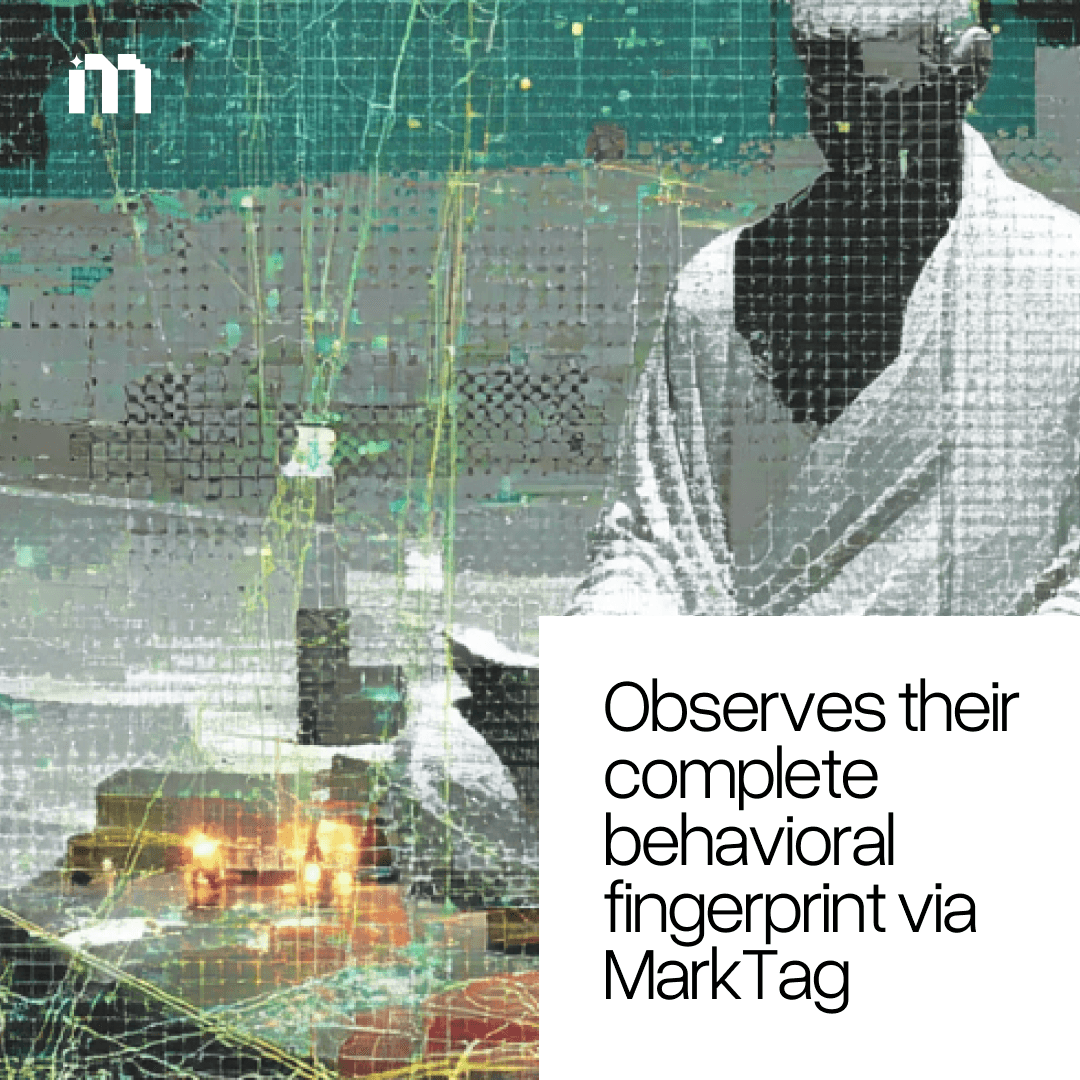
MarkTag captures every customer interaction and converts it into semantic understanding. It tracks mouse movements, scroll depth, product comparisons, and purchase patterns. This data creates a complete picture of individual customer intent and preferences. The system identifies customers who need social proof versus those who respond to urgency, enabling truly personalized retention strategies.
AI-powered audience studio
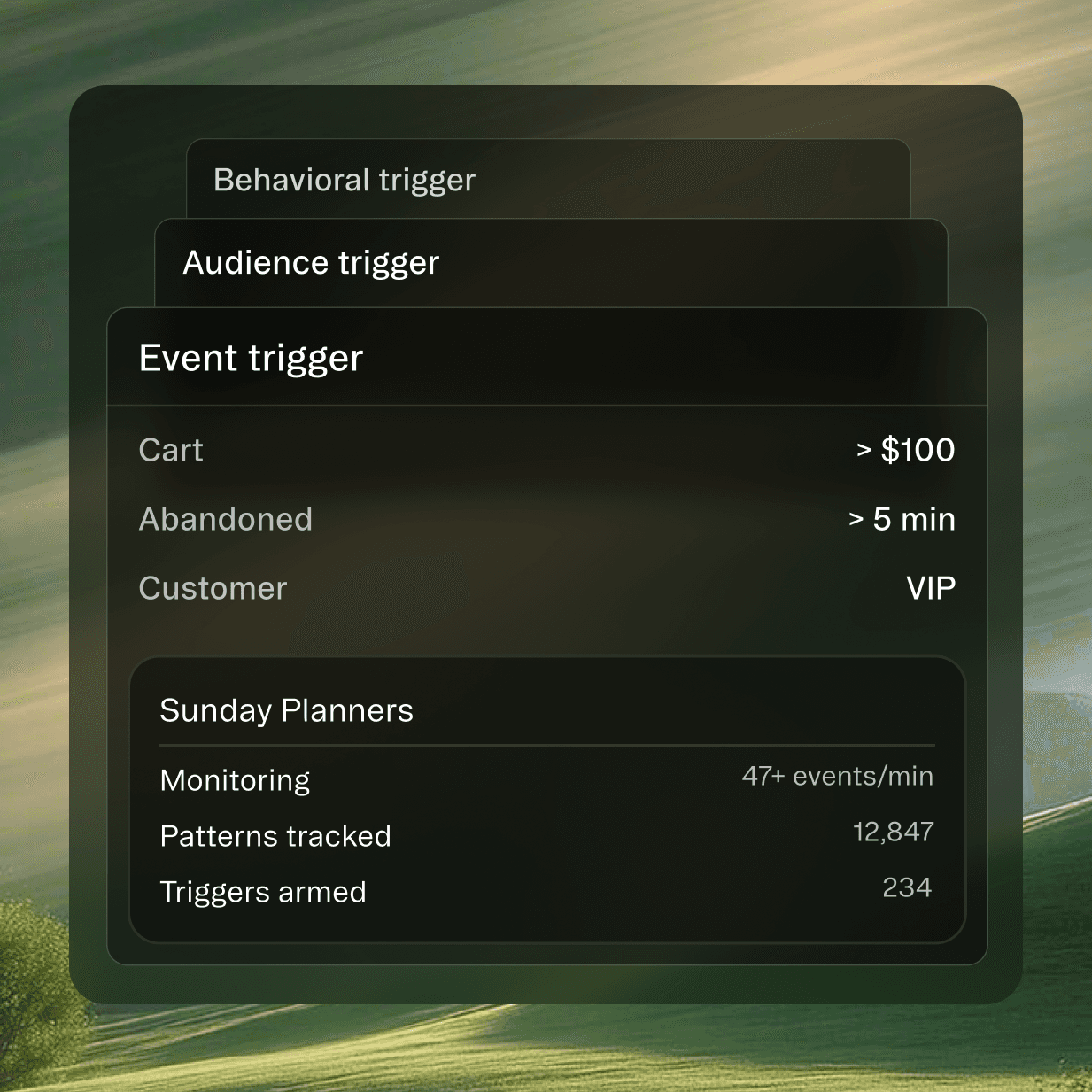
Audience Studio uses AI for customer engagement to build dynamic cohorts from real-time behavioral data. Users can select from pre-built segmentation templates or create custom segments through natural language prompts. Segments update automatically as customer behavior changes. This ensures retention campaigns always target the right people with the right message.
Omnichannel campaign agent

Omnichannel customer engagement platforms design and runs personalized campaigns across multiple channels automatically. It pulls data from MarkTag, CRM systems like HubSpot, Zoho, Salesforce, and custom CSV files. etc., and uploaded user lists. The agent configures audience selection, discount offers, content language, and delivery channels. Campaigns can run completely autonomously or with human approval at key steps.
Voice agent for human-like engagement

Voice Agent enables AI-driven phone calls that sound like real sales representatives. Conversational AI for customer engagement delivers context-aware conversations at scale. Call recordings and AI-generated summaries help teams track engagement quality. Markopolo’s voice agent reaches customers who prefer phone communication over digital messages, which retains customers more effectively by giving them the best experience.
Real-time analytics and attribution

The analytics dashboard tracks every website event and campaign performance. It shows total events, active users, conversion rates, and revenue attribution across touchpoints. Teams can view individual customer journeys and identify which interactions were most effective at retaining existing customers. This visibility enables continuous optimization of retention strategies.
Pros
Creates unique engagement journeys for each individual customer
Processes behavioral data in real-time for immediate personalization
Supports six engagement channels including AI voice calls
Generates content autonomously or with human feedback loops
Learns and improves from every customer interaction
Achieves 30-40% cart recovery rates versus industry average of 10-15%
Cons
Advanced AI features require learning curve for new users
Netcore Cloud
Netcore Cloud provides a customer engagement platform with AI capabilities for e-commerce and consumer brands. The platform combines email, SMS, push notifications, WhatsApp, and in-app messaging. It serves businesses primarily in Asia, Middle East, and emerging markets. Netcore emphasizes its AI engine for predictive segmentation and send-time optimization.
Retention capabilities
Netcore offers journey orchestration through its Customer Engagement platform. The AI predicts optimal send times and recommends content based on user behavior. Its segmentation engine groups users by recency, frequency, and monetary value along with behavioral attributes. The platform includes product recommendation widgets and personalization for web and app experiences.
Pros
Strong presence in Asian and Middle Eastern markets
AI-powered send time optimization improves open rates
Comprehensive channel coverage including WhatsApp Business API
Product recommendation engine for e-commerce personalization
Cons
Less established brand recognition in North American and European markets
Interface complexity requires significant onboarding time
AI features work at segment level rather than true individual personalization
Integration ecosystem smaller than leading Western platforms
Comparing Netcore Cloud vs Markopolo AI for customer retention
Netcore Cloud applies AI to optimize timing and segment targeting. Its personalization improves on basic approaches but still treats similar customers identically within segments. Markopolo AI creates completely unique journeys for each individual based on 384-dimensional behavioral vectors. Where Netcore predicts the best time to send to a segment, Markopolo determines the optimal channel, timing, message, and offer for each specific person. This individual-level intelligence produces significantly higher conversion and retention rates.
MoEngage
MoEngage positions itself as an insights-led customer engagement platform. It serves mobile-first businesses across e-commerce, media, and fintech verticals. The platform combines analytics, segmentation, and multi-channel messaging. MoEngage emphasizes its Sherpa AI for campaign optimization and customer journey analysis.
Retention capabilities
MoEngage provides flow-based journey builders for lifecycle campaigns including onboarding, retention, and win-back sequences. Sherpa AI optimizes send times, message content, and channel selection at the campaign level. The platform offers push notifications, email, SMS, in-app messaging, and web push. Its analytics dashboard tracks engagement metrics and funnel performance.
Pros
Strong mobile engagement features for app-first businesses
Sherpa AI provides campaign-level optimization recommendations
Good analytics and insights for understanding customer behavior
Competitive pricing for mid-market businesses
Cons
AI optimization works at campaign level not individual level
Voice channel capabilities limited compared to full-stack platforms
Journey builder requires manual setup and ongoing maintenance
Personalization relies on predefined segments and rules
Comparing MoEngage vs Markopolo AI for customer retention
MoEngage uses AI to optimize campaigns after humans design them. Teams still create journeys manually and apply them to segments. Markopolo AI generates unique strategies for each customer automatically without human workflow creation. MoEngage's Sherpa recommends improvements to existing campaigns while Markopolo's AI creates millions of individual journeys from scratch. For businesses wanting true autonomous personalization rather than assisted campaign management, Markopolo delivers fundamentally different results.
Klaviyo
Klaviyo specializes in email and SMS marketing for e-commerce businesses. It integrates directly with major e-commerce platforms to pull customers and purchase data. The platform offers pre-built automation flows and segmentation tools. Many Shopify merchants choose Klaviyo as their first retention platform.
Retention capabilities
Klaviyo provides flow builders for common retention scenarios like abandoned cart recovery, post-purchase follow-ups, and win-back campaigns. Its segmentation uses purchase history, browsing behavior, and customer properties. The platform supports A/B testing for subject lines and content variations. Predictive analytics estimate customer lifetime value and churn risk.
Pros
Deep integrations with Shopify, WooCommerce, and other e-commerce platforms
User-friendly flow builder requires no coding
Strong email deliverability and template library
Robust reporting on campaign and flow performance
Cons
Pricing increases significantly as contact lists grow
SMS features less developed than dedicated SMS platforms
Personalization limited to segment-level customization
No voice channel or advanced AI orchestration
Comparing Klaviyo vs Markopolo AI for customer retention
Klaviyo applies the same flows to customer segments. A thousand cart abandoners receive identical email sequences. Markopolo AI creates unique journeys for each individual based on their behavioral vectors. While Klaviyo personalizes with name tokens and purchase history, Markopolo understands intent, timing preferences, and channel propensity at the individual level. Markopolo's AI orchestration delivers significantly higher recovery rates because each customer receives exactly what they need to convert.
Braze
Braze positions itself as a customer engagement platform for enterprise brands. It supports email, push notifications, SMS, in-app messaging, and content cards. The platform emphasizes real-time data processing and cross-channel coordination. Large B2C companies use Braze for complex customer journey orchestration.
Retention capabilities
Braze offers Canvas, a visual journey builder for creating multi-step, multi-channel campaigns. Its action-based triggers respond to customer behaviors in real-time. The platform supports liquid personalization for dynamic content. Braze Currents streams customer data to data warehouses for advanced analysis.
Pros
Handles massive scale for enterprise deployments
Real-time triggering based on customer actions
Strong mobile engagement features including in-app messaging
Flexible data model accommodates complex business requirements
Cons
Enterprise pricing excludes small and mid-size businesses
Complex setup requires significant technical resources
Rule-based segmentation still groups customers into buckets
No native AI voice channel for phone engagement
Comparing Braze vs Markopolo AI for customer retention
Braze requires teams to build and maintain journey logic manually. Canvas workflows apply predetermined rules to segments. Markopolo AI generates strategies automatically through machine learning. Where Braze needs humans to define when and how to engage, Markopolo's AI determines optimal approaches for each individual in real-time. This autonomous intelligence delivers better results with less ongoing effort.
HubSpot
HubSpot offers an all-in-one platform covering marketing, sales, and customer service. Its Marketing Hub includes email automation, landing pages, and campaign management. The platform appeals to businesses wanting unified tools without multiple vendor relationships. HubSpot's free tier makes it accessible for startups.
Retention capabilities
HubSpot workflows automate email sequences based on contact properties and behaviors. The CRM tracks every customer interaction across channels. List segmentation uses filters on contact data and engagement history. HubSpot reports show campaign metrics and customer lifecycle stages.
Pros
Comprehensive platform covering marketing, sales, and service
Free CRM tier for small businesses
Strong content management and landing page tools
Extensive integration marketplace
Cons
Advanced features require expensive tier upgrades
Built for B2B sales cycles more than e-commerce velocity
Personalization relies on static contact properties
No real-time behavioral vectorization or AI orchestration
Comparing HubSpot vs Markopolo AI for customer retention
HubSpot excels at managing contact records and running basic automation. Its strength lies in CRM functionality rather than sophisticated retention intelligence. Markopolo AI specializes in understanding and engaging e-commerce customers at the individual level. HubSpot segments by demographic and firmographic data while Markopolo analyzes behavioral patterns and purchase intent. For D2C brands focused on retention, Markopolo's purpose-built approach delivers superior results.
Attentive
Attentive focuses primarily on SMS marketing for e-commerce and retail brands. The platform emphasizes list growth through compliant opt-in tools. It provides pre-built SMS journeys for common retention scenarios. Many brands use Attentive alongside email platforms for text message campaigns.
Retention capabilities
Attentive offers triggered messages for cart abandonment, browse abandonment, and post-purchase engagement. Its segmentation uses purchase data, engagement history, and customer attributes. The platform provides two-way conversational messaging capabilities. Compliance features help brands maintain SMS best practices.
Pros
Strong SMS deliverability and compliance tools
Effective list growth features for building subscriber bases
Pre-built journey templates speed implementation
Good integrations with e-commerce platforms
Cons
Single-channel focus limits cross-channel orchestration
Requires pairing with other tools for complete retention strategy
Segment-based approach treats similar customers identically
No AI-driven personalization at the individual level
Comparing Attentive vs Markopolo AI for customer retention
Attentive provides solid SMS capabilities within its single channel. Markopolo AI orchestrates across six channels including SMS, selecting the optimal channel for each individual. Attentive applies the same journeys to segments while Markopolo creates unique strategies per customer. Businesses using Attentive still need additional tools for comprehensive retention. Markopolo provides complete multi-channel orchestration with AI intelligence built in.
10 strategies and best practices for customer retention
Welcome new customers with personalized onboarding
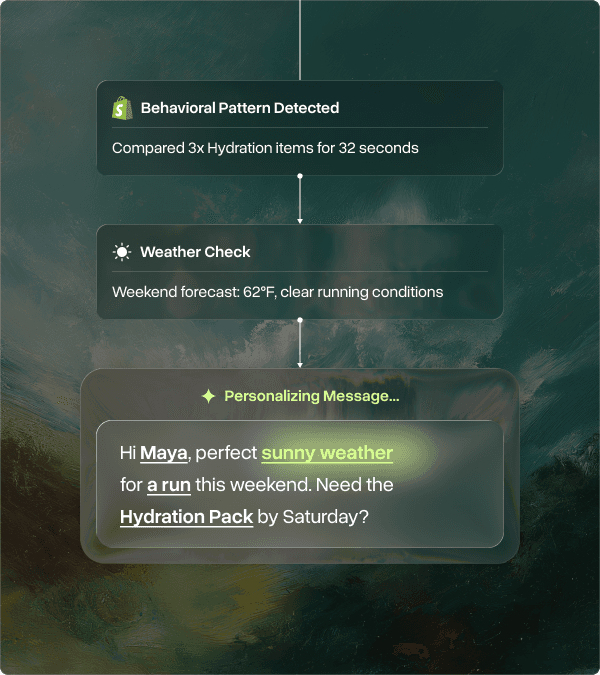
First impressions shape long-term relationships. Send welcome sequences that introduce your brand story and product benefits. Customize recommendations based on the purchase that brought them in. Guide new customers toward quick wins that demonstrate product value. A strong onboarding experience reduces early-stage churn dramatically.
Recover abandoned carts with context-aware messaging

Cart abandonment represents immediate revenue opportunity. Generic reminder emails recover only 10-15% of abandoned carts. Messages that understand why someone abandoned perform much better. Some customers need social proof while others need payment flexibility. Match recovery tactics to individual abandonment patterns for higher conversion.
Build loyalty programs that reward engagement
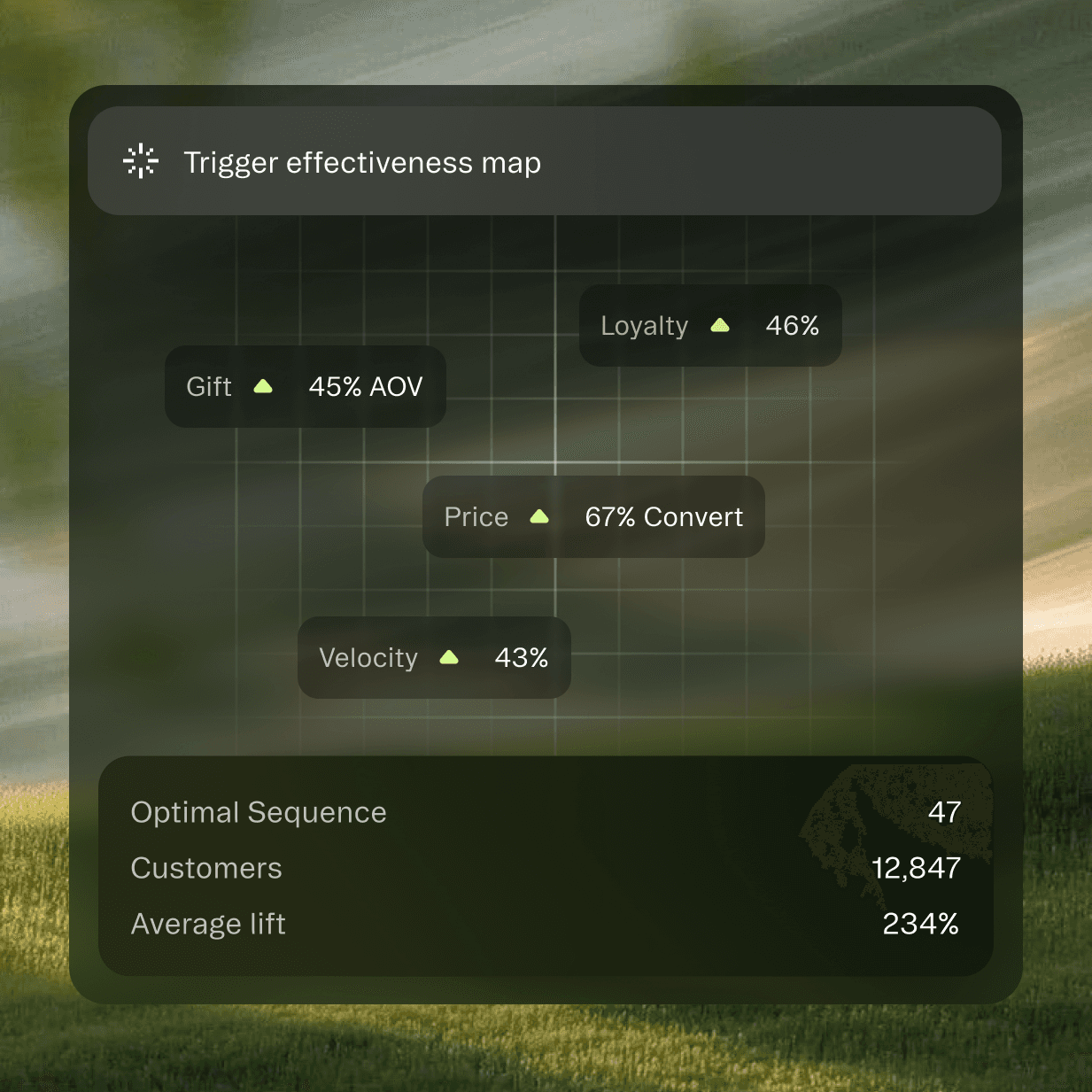
Loyalty programs encourage repeat purchases through earned benefits. Design programs that reward behaviors beyond just transactions. Recognize product reviews, social shares, and referrals alongside purchases. Tiered programs create aspiration toward higher status levels. Make rewards attainable enough that customers stay motivated.
Segment customers by behavior rather than demographics

Demographics tell you who customers are. Behavior tells you what they need. Segment based on purchase frequency, product preferences, and engagement patterns. Create segments for at-risk customers showing declining activity. Target high-value customers with exclusive experiences. Behavioral segments enable more relevant communication.
Personalize recommendations using purchase history

Generic product suggestions feel impersonal and unhelpful. Recommend items that complement previous purchases. Consider browsing behavior alongside transaction history. Update recommendations as customer preferences evolve. Relevant suggestions demonstrate understanding and drive repeat purchases.
Time communications based on individual engagement patterns
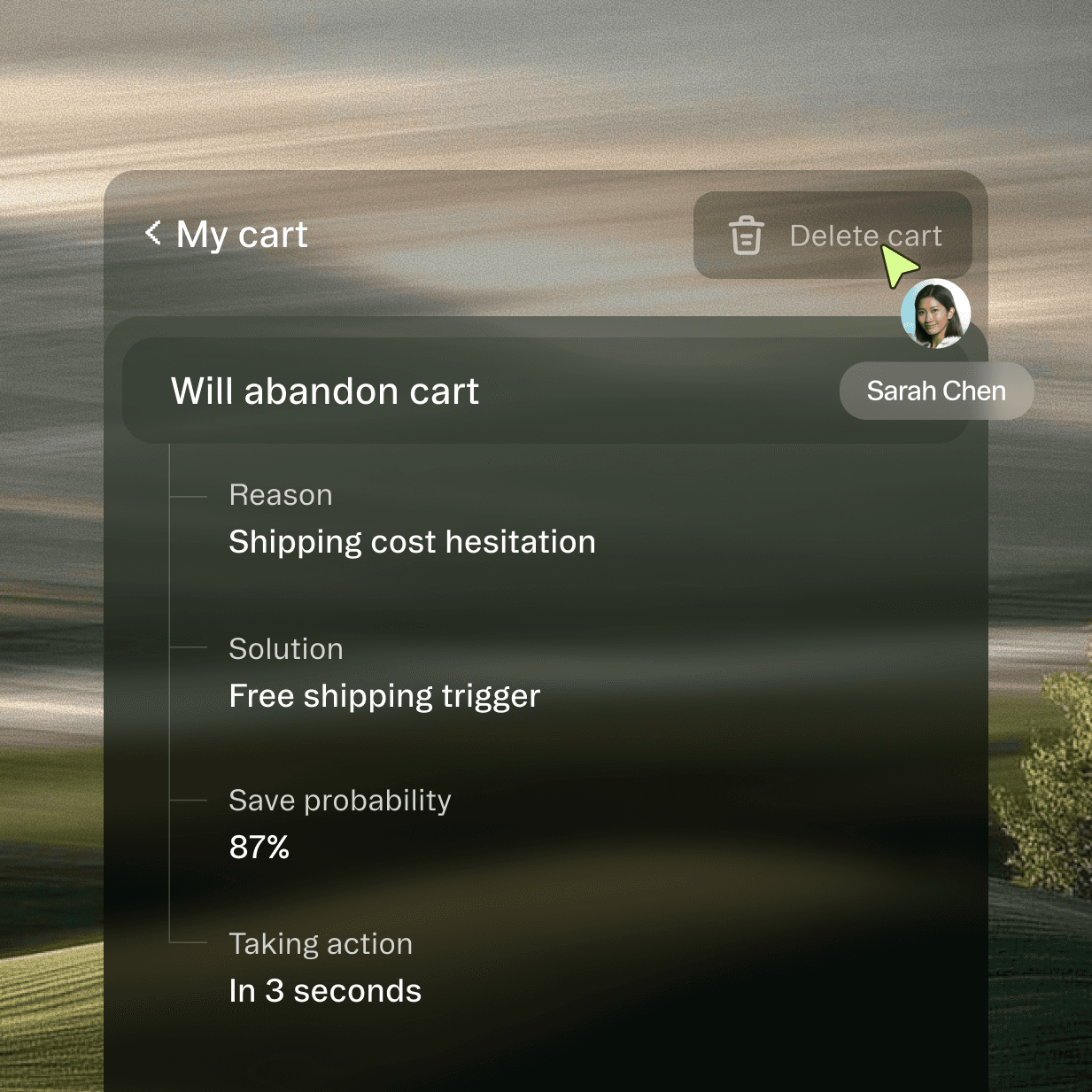
Not everyone checks email at the same time. Some customers respond better to morning messages while others engage in evenings. Analyze individual response patterns to optimize send times. Consider time zones and typical activity windows. Right-timing increases open rates and conversions significantly.
Re-engage dormant customers before they churn
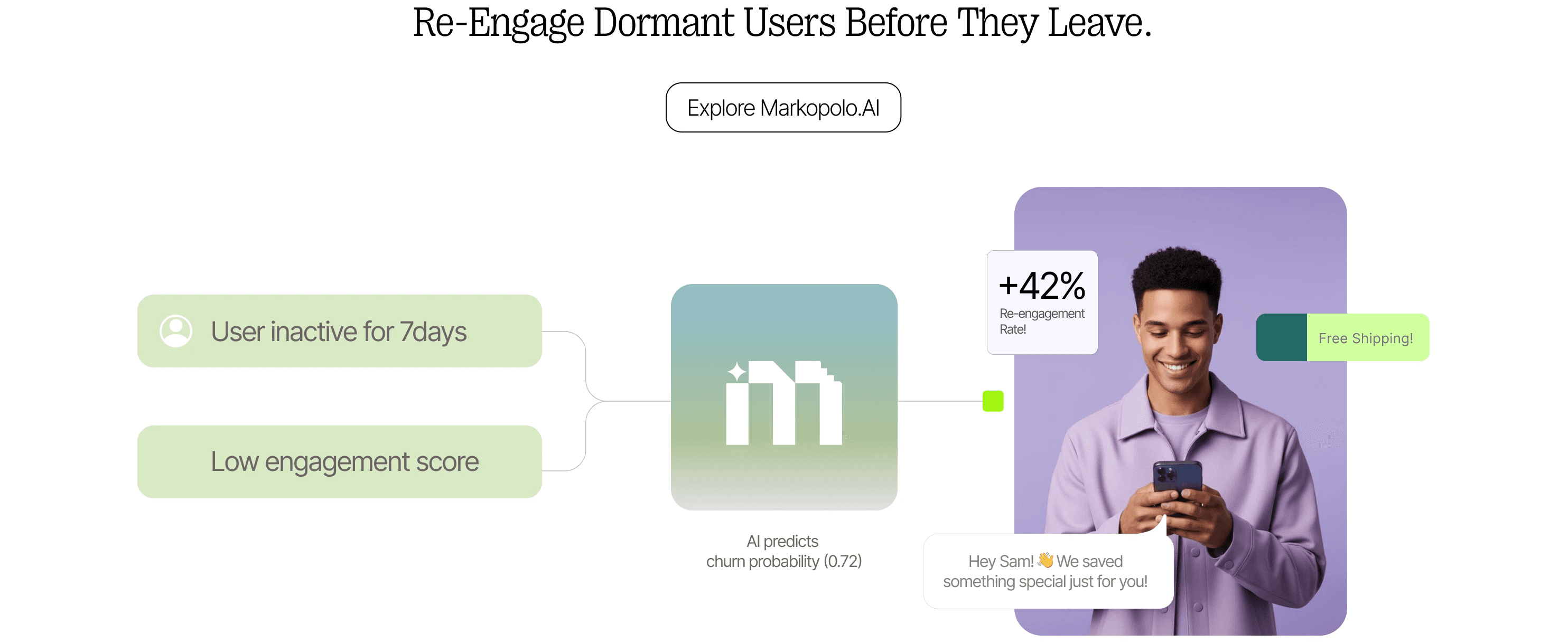
Customers showing declining engagement need proactive attention. Identify warning signs like decreasing email opens or longer purchase gaps. Send re-engagement campaigns before customers go completely cold. Offer incentives that match their historical preferences. Win-back campaigns cost less than acquiring replacement customers.
Collect and act on customer feedback
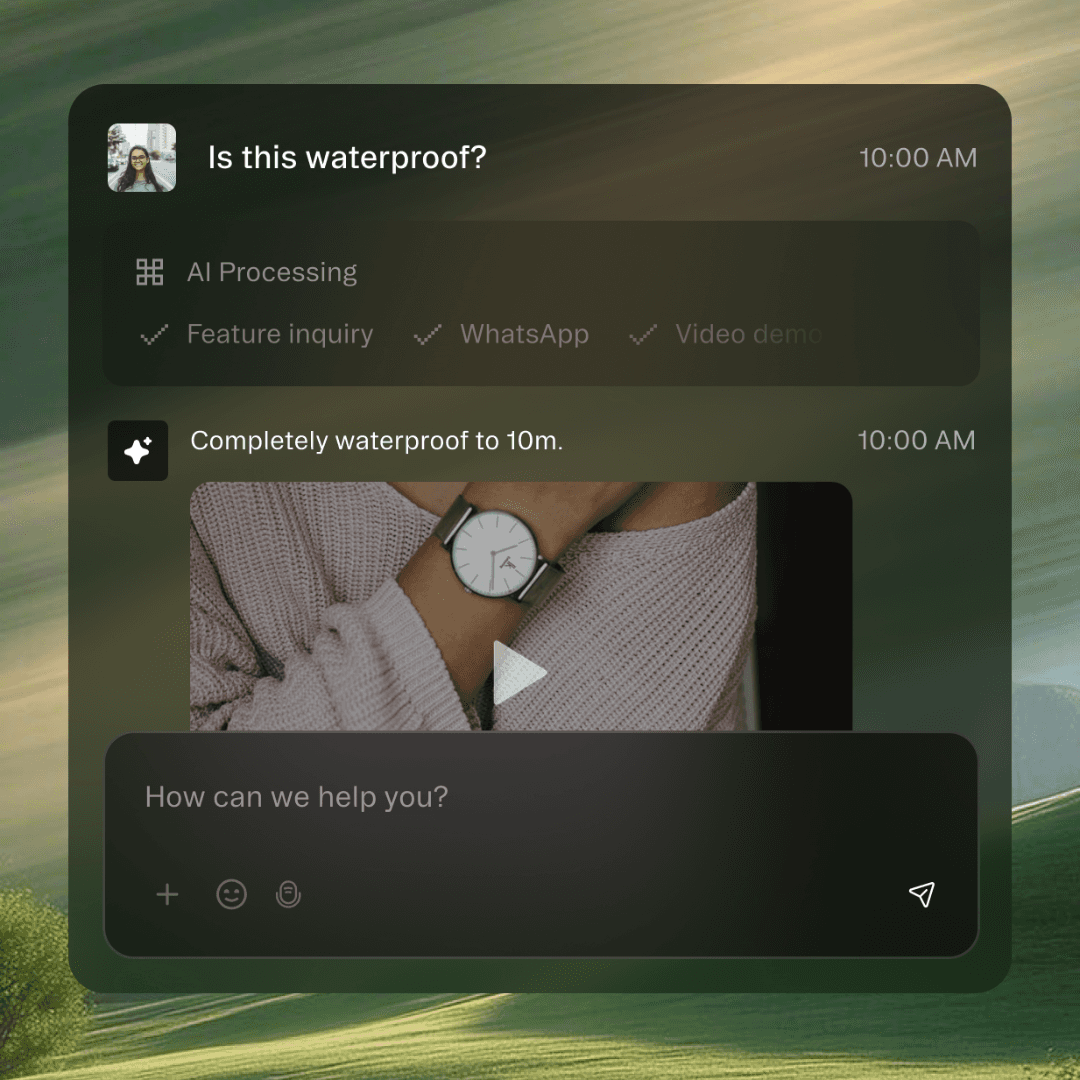
Feedback reveals retention problems before they cause churn. Request input after purchases and support interactions. Monitor reviews and social mentions for sentiment trends. Close the loop by telling customers how their feedback drove improvements. Customers who feel heard stay longer.
Deliver consistent experiences across all channels
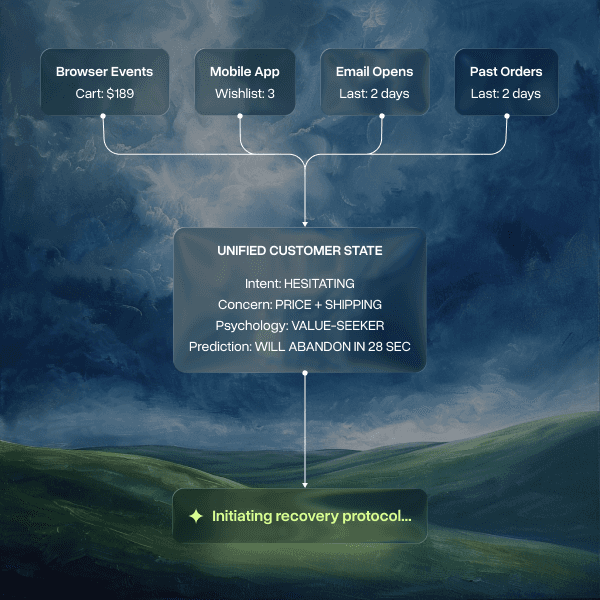
Customers interact through multiple touchpoints. Inconsistent experiences create friction and erode trust. Ensure messaging, offers, and brand voice align across email, SMS, web, and social. Recognize customers regardless of which channel they use. Consistency builds familiarity that strengthens retention.
Measure and optimize continuously
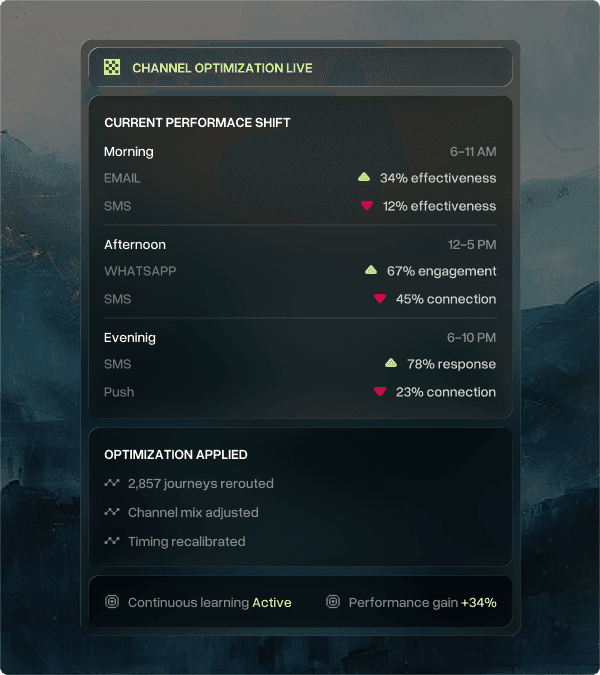
Retention requires ongoing attention and adjustment. Track key metrics like repeat purchase rate, customer lifetime value, and churn rate. Test different approaches to identify what works best. Analyze cohorts to understand how retention evolves over time. Use data to drive decisions rather than assumptions.
5 ways to increase customer lifetime value and loyalty
Create subscription or replenishment programs
Subscriptions convert one-time buyers into recurring customers. Offer convenience through automatic replenishment of consumable products. Provide discounts that reward subscription commitment. Allow flexibility in frequency and quantity to reduce cancellations. Subscriptions increase predictability and lifetime value simultaneously.
Develop exclusive member benefits and experiences
Exclusive access makes customers feel special and valued. Offer early access to new products or sales events. Create member-only content or experiences. Provide dedicated support channels for top customers. Exclusivity builds emotional loyalty beyond transactional relationships.
Implement referral programs that benefit both parties
Happy customers bring valuable new customers. Reward referrals with credits, discounts, or gifts. Make referred customers feel welcomed with special offers. Track referral sources to identify your strongest advocates. Referral programs acquire customers with higher retention potential.
Use post-purchase engagement to drive repeat buying
The relationship continues after checkout completes. Send helpful content about product care and usage tips. Request reviews at appropriate intervals. Introduce complementary products based on purchase history. Post-purchase engagement keeps your brand relevant between transactions.
Surprise customers with unexpected value
Unexpected gestures create memorable experiences. Include small gifts or samples with orders occasionally. Recognize customer milestones like purchase anniversaries. Upgrade shipping or add extras for loyal customers. Surprises generate positive word-of-mouth and deepen loyalty.
6 techniques for reducing customer churn and improving retention rates
Identify at-risk customers through predictive analytics
Churn rarely happens without warning signs. Predictive models analyze behavior patterns that precede churn. Identify customers showing declining engagement, longer purchase gaps, or reduced email interaction. Intervene with targeted retention efforts before customers leave. Early detection enables proactive rather than reactive retention.
Address customer complaints quickly and completely
Complaints represent opportunities to strengthen relationships. Respond promptly to show customers their concerns matter. Resolve issues fully rather than offering partial solutions. Follow up to confirm satisfaction after resolution. Customers whose problems get solved often become more loyal than those who never complained.
Reduce friction in the purchase experience
Every unnecessary step increases abandonment risk. Streamline checkout to minimize required fields and clicks. Offer multiple payment options including digital wallets. Save customer preferences for faster repeat purchases. Remove barriers that make buying harder than it should be.
Provide proactive support before problems escalate
Anticipate common issues and address them preemptively. Send usage tips for products with learning curves. Notify customers about potential shipping delays before they ask. Offer assistance when behavior suggests confusion or frustration. Proactive support prevents small issues from becoming churn triggers.
Maintain product quality and service consistency
Retention ultimately depends on delivering value. Quality problems erode trust faster than any marketing can rebuild. Ensure products meet or exceed customer expectations consistently. Train support teams to provide reliable, helpful service. Operational excellence creates the foundation for strong retention.
Communicate value regularly without overwhelming
Customers need reminders of why they chose you. Share product updates, helpful content, and relevant offers periodically. Balance frequency to stay visible without becoming annoying. Segment communication frequency based on individual preferences and engagement. Regular value demonstration keeps your brand top-of-mind.
5 key metrics for measuring customer engagement and churn analysis
Customer retention rate
Retention rate measures the percentage of customers who continue purchasing over a period. Calculate by comparing customers at period end to those at the start, excluding new acquisitions. Track monthly, quarterly, and annual retention to identify trends. Benchmark against industry averages to assess performance. This metric shows overall retention program effectiveness.
Customer lifetime value
Lifetime value estimates total revenue a customer generates throughout their relationship. Calculate by multiplying average purchase value, purchase frequency, and customer lifespan. Compare lifetime value to acquisition cost for profitability insights. Segment lifetime value to identify most valuable customer types. Growing lifetime value indicates strengthening customer relationships.
Repeat purchase rate
Repeat purchase rate shows the percentage of customers who buy more than once. Higher rates indicate successful retention and product satisfaction. Track how quickly customers make second and third purchases. Analyze repeat rates by acquisition source and initial product. This metric reveals which customer segments have the strongest retention potential.
Churn rate
Churn rate measures the percentage of customers who stop purchasing within a period. Define churn based on appropriate timeframes for your business. Compare churn rates across customer segments and cohorts. Identify patterns in when and why customers leave. Reducing churn directly improves retention and profitability.
Net promoter score
Net promoter score gauges customer loyalty through willingness to recommend. Survey customers with the standard recommendation question. Calculate by subtracting detractor percentage from promoter percentage. Track score trends over time and after key interactions. NPS correlates with retention and provides actionable feedback.
Why is Markopolo AI the best solution for improving customer retention
Individual intelligence replaces segment guesswork
Traditional retention tools group customers into segments and apply identical treatments. This approach ignores individual differences that determine conversion. Markopolo AI creates unique strategies for each person based on their behavioral fingerprint. The AI understands whether someone needs social proof, price incentives, or product education. This individual intelligence drives results that segment-based tools cannot match.
Autonomous orchestration scales without limits
Human marketers cannot manage millions of individual customer journeys manually. Markopolo's AI orchestrates personalized engagement at unlimited scale. It selects optimal channels, timing, and content for each interaction automatically. The system learns continuously from outcomes and adapts strategies accordingly. Businesses get the benefits of individual attention without proportional effort increases.
Complete attribution reveals what actually works
Understanding which interactions drive purchases enables smarter investment. Markopolo's lifetime attribution model tracks every touchpoint and its influence on conversion. The system identifies causal relationships rather than just correlations. This visibility shows exactly which retention tactics generate returns. Data-driven optimization replaces guesswork and gut feelings.